 Nestward
One Day in Sequoia National Park
A giant-trees itinerary you can actually finish before dark
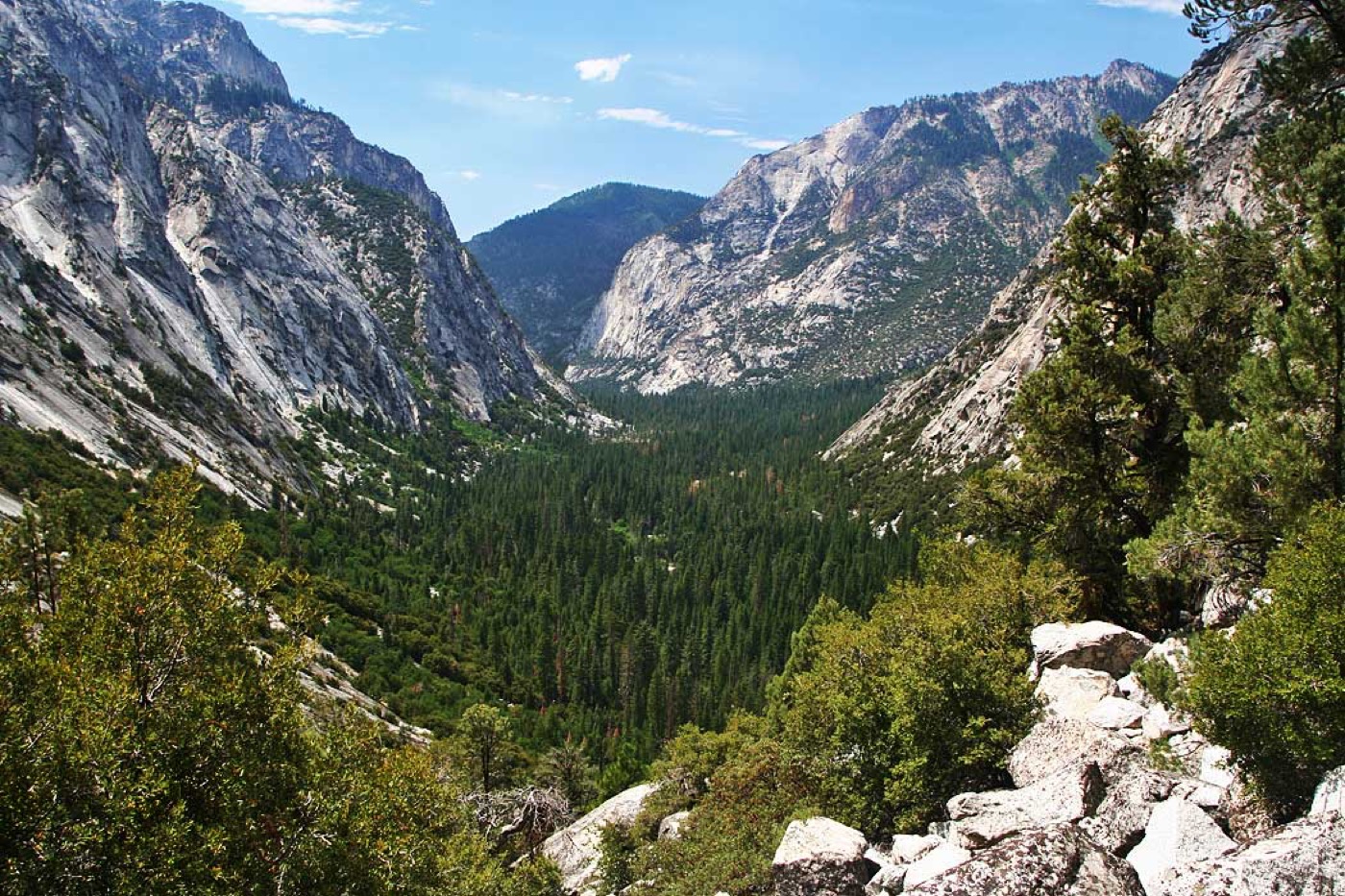
You can't see all of Sequoia in a day. The park stretches from hot foothills to peaks that hold snow into July, and "huge mountains, rugged foothills, deep canyons, vast caverns, and the world's largest trees" is a lot of ground. But the Giant Forest, where the biggest trees live, is compact and doable in one good day. Here's how to spend it without rushing.
Start with the obvious one: General Sherman
Go straight to the General Sherman Tree first thing. It's the largest tree on Earth by volume, and the parking lot fills early. Being there by 9 a.m. saves you a lot of frustration. The main trail down to Sherman is paved but drops about 200 feet, which means a steady uphill climb back out at over 6,000 feet of elevation. Take it slow; the altitude is real, especially if you drove up from sea level that morning.
- Lower (accessible) parking on the Generals Highway gives a flatter approach if anyone in your group struggles with the climb.
- In summer, the free park shuttle connects the Giant Forest area, so you can park once and ride between stops instead of fighting for spaces all day.
Walk the Big Trees Trail and the Giant Forest
From Sherman, you're in the heart of the Giant Forest, the densest grove of giant sequoias in the park. The Big Trees Trail is a short, flat loop around Round Meadow, fully accessible, and easily the best bang-for-effort walk in the whole park. Kids can handle it, strollers roll fine, and you're surrounded by enormous trees the entire way.
Stop at the Giant Forest Museum to get your bearings. It has exhibits, a bookstore, and rangers who can tell you what's open that day. Road and trail conditions shift with the seasons, so it's worth checking. It's also the hub for the shuttle and a sane place to eat the lunch you packed.
Afternoon: Moro Rock and Crescent Meadow
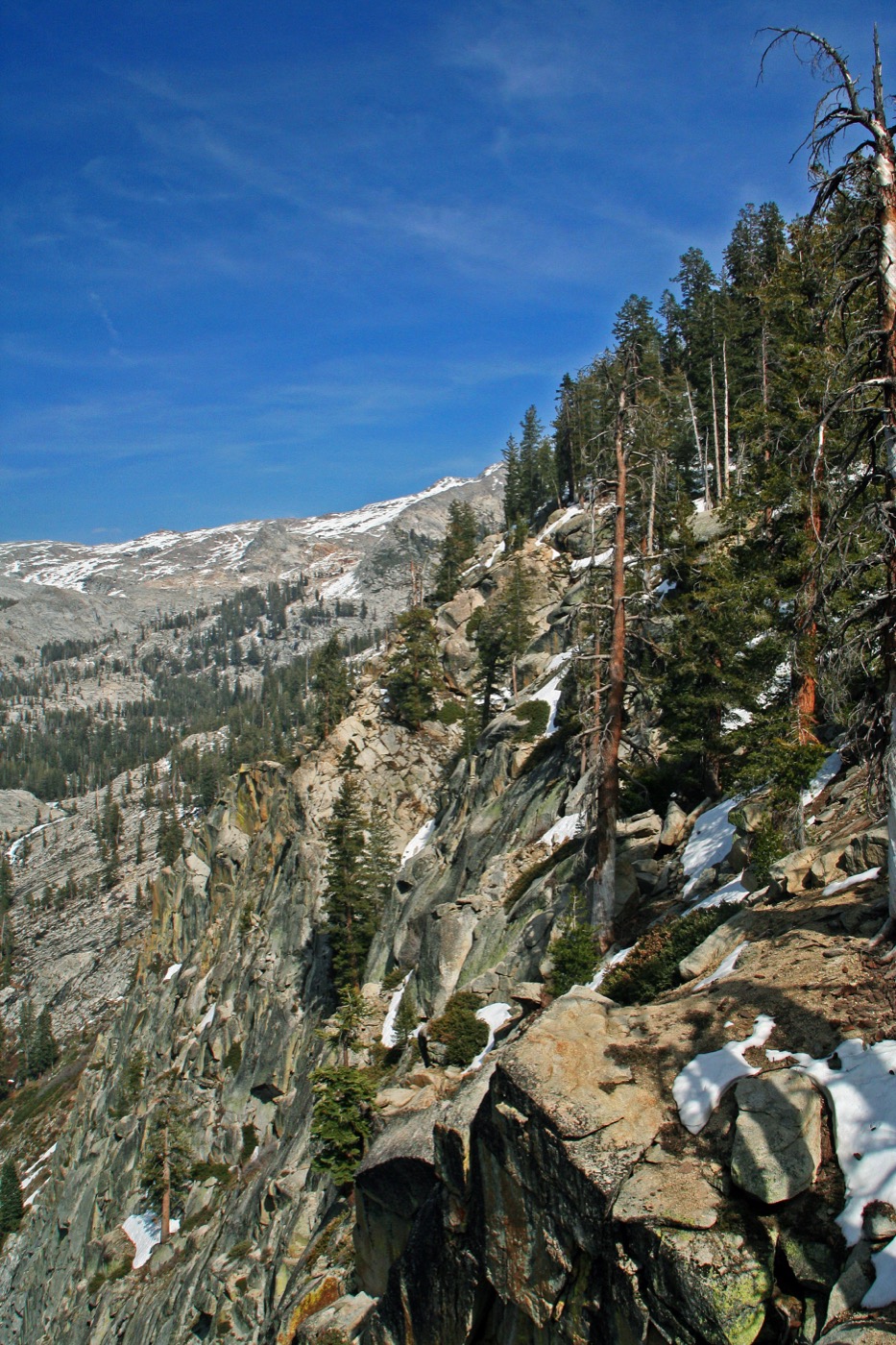
This is the scenic stretch. A historic stairway climbs Moro Rock, about 350 steps up a granite dome to a railing-lined summit with views from the foothills all the way to the Great Western Divide. It's exposed and the drop-offs are serious, so keep a hand on younger kids the whole way. On a clear day it's the best view you'll get without a long hike.
A few minutes further, Crescent Meadow is a green, John-Muir-called-it-"the gem-of-the-Sierra" meadow ringed by sequoias. Easy loop trails wander the edge, and it's a good spot to slow down after the climb. Note that the narrow road to Moro Rock and Crescent Meadow is often shuttle-only in peak summer, which is another reason to use it.
If you have time (and planned ahead): Crystal Cave
Crystal Cave is a marble cavern reached only by guided tour, and tickets are not sold at the cave. You buy them in advance. The turnoff is well before the Giant Forest, and the access road plus the half-mile walk down to the entrance add up, so this realistically replaces an afternoon stop rather than adding to one. Skip it if your day is already full; it's a great reason to come back.
Logistics worth knowing
- Getting in: Highway 198 from Visalia climbs to the Giant Forest via the steep, winding Generals Highway. Vehicles over 22 feet should enter Kings Canyon's side on Highway 180 instead. The entrance fee is $35 per vehicle, valid 1–7 days.
- Best time to go: Late spring through fall for full access. In winter the Generals Highway can close and chains may be required. Beautiful, but not a casual day trip.
- Elevation and heat: The foothills are hot and dry; the groves are cool and 25–30°F lower. Bring layers and more water than you think you need.
- Cell service is patchy. Download maps and your tour tickets before you lose signal near Three Rivers.
Planning the real thing? Nestward builds a day-by-day plan for this park in minutes, free, no subscription. See how it works →