 Nestward
One Day in Joshua Tree
A single-day itinerary through the big hits, west to east
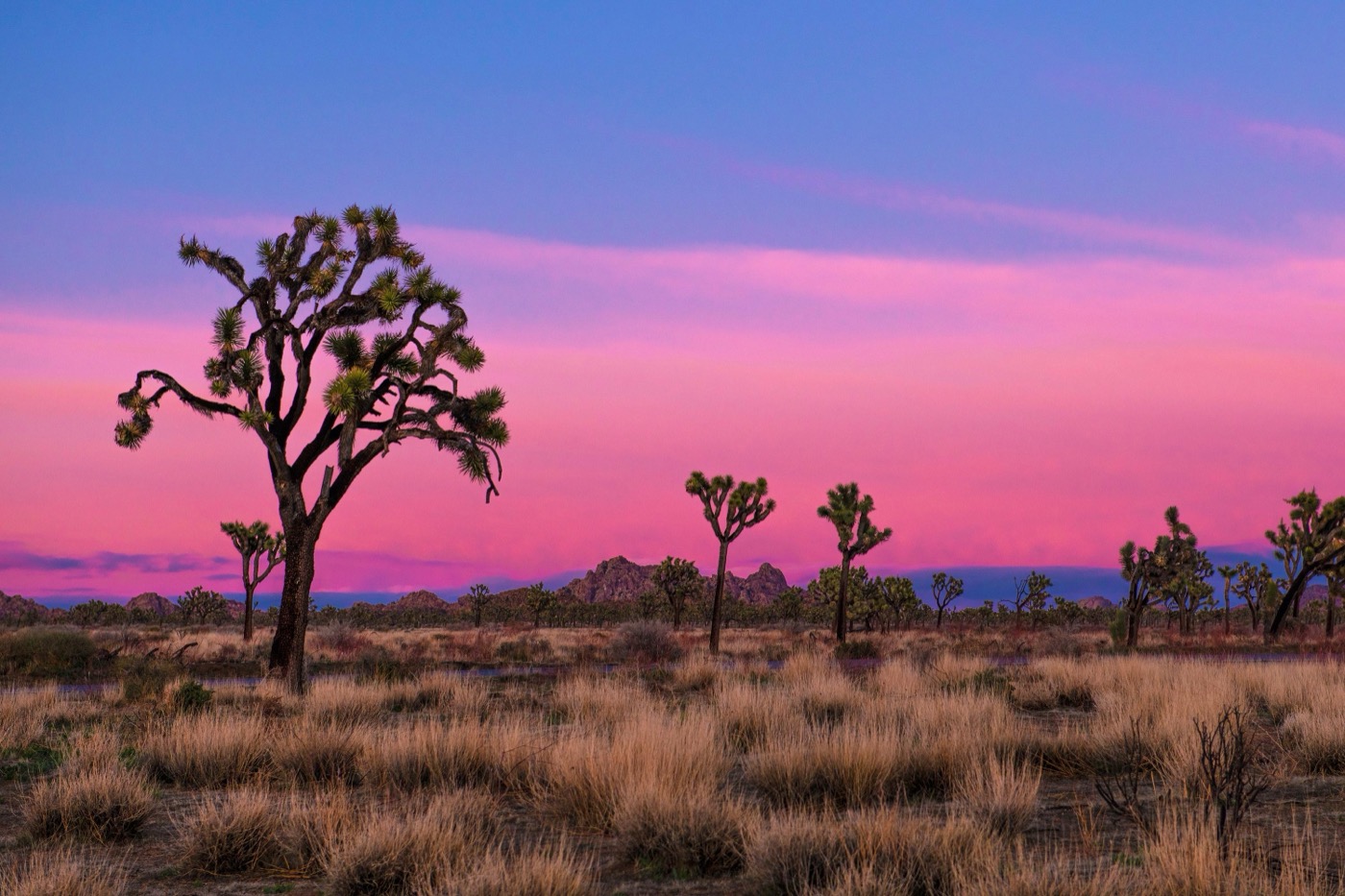
You can see the best of Joshua Tree in one day. The trick is direction and timing, not speed. The park is huge and the highlights string out along one main road, so you drive west to east, hit the short trails before the heat, and let the rock do the work. Here's a day that flows instead of backtracks.
Plan the day before you go
Joshua Tree sits where two deserts meet: the higher, cooler Mojave in the west (that's where the actual Joshua trees grow) and the lower Colorado Desert in the east. Your day runs that gradient. Enter at the West Entrance near the town of Joshua Tree and exit at the South Entrance off I-10, which means almost no backtracking.
- Entrance fee: $30 per vehicle, good for 7 days. The park is open 24/7, year-round.
- Get there early. The West Entrance line backs up by mid-morning on weekends. In the gate by 8 a.m. saves you a half-hour of idling.
- Fuel and water in town. There's no gas and no reliable water inside the park. Fill the tank, pack more water than feels reasonable.
- No cell signal most of the park. Download maps before the gate.
Morning: the marquee trails while it's cool
Front-load the walking. Mornings are calm, the light is good, and you'll want the trails done before the afternoon heat sets in.
- Hidden Valley (1 mile loop): First stop past the entrance. A flat loop that threads into a bowl ringed by boulders, the best short introduction to the park's geology, and easy for kids to scramble.
- Barker Dam (1.3 mile loop): A cattle-era dam, a small seasonal pond that draws bighorn sheep, and a panel of Native American petroglyphs near the end. Quiet and a little surprising.
- Fortynine Palms Oasis (3 miles round trip): Optional and more strenuous: a real climb to a hidden palm oasis. Worth it if you're fit and got an early start; skip it if you're pacing for a relaxed day.
Midday: drive Park Boulevard and find Skull Rock
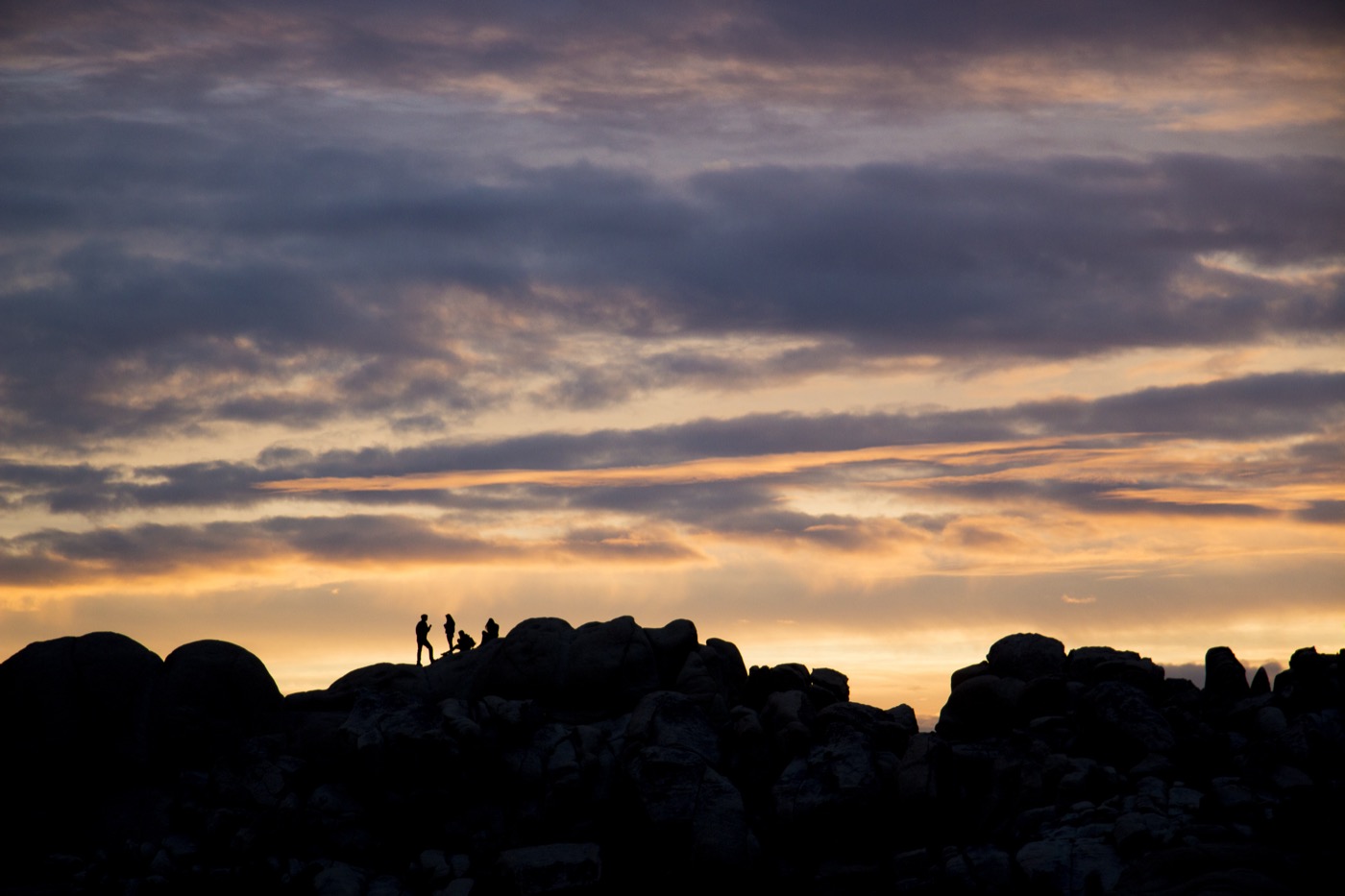
By late morning, shift from hiking to driving and stretching your legs in short bursts. Park Boulevard is the spine of the park, and the drive itself is a highlight: Joshua trees, rock outcrops, big open valleys.
- Skull Rock: A boulder that genuinely looks like a skull, right off the road near Jumbo Rocks. A two-minute walk; a short nature trail loops behind it if you want more.
- Picnic at Jumbo Rocks or Hidden Valley. Shaded tables are scarce. Find a boulder, eat in its shadow, and rest during the hottest stretch of the day.
- Keys View (optional detour): A short spur south to a 5,000-foot overlook of the Coachella Valley and the San Andreas Fault. Clearest in the morning, but a fine midday stop too.
Afternoon: into the Colorado Desert
Keep driving east and south. The landscape changes: the Joshua trees thin out, the elevation drops, and the desert gets starker.
- Cholla Cactus Garden (0.25 mile loop): A dense stand of teddy-bear cholla that glows when backlit. Gorgeous and deceptively hostile. The spines detach at a touch, so keep kids on the path and hands in pockets.
- Exit via the South Entrance onto I-10. You've crossed the whole park without doubling back.
Heat, timing, and a note on staying for dark
Summer is the catch. Daytime highs top 100°F from June through September and nights stay warm. A midday hike in July is a genuinely bad idea. Spring and fall are the sweet spot, with highs around 85°F. Winter days are pleasant but nights drop below freezing.
If you can swing it, don't leave at sunset. Joshua Tree has some of the darkest skies in Southern California, and the stargazing is a reason to visit on its own. Linger past dark, let your eyes adjust, and look up before you take I-10 home.
Planning the real thing? Nestward builds a day-by-day plan for this park in minutes, free, no subscription. See how it works →