 Nestward
One Day at White Sands: Sledding, Short Trails, and That Sunset
A single-day plan for the world's largest gypsum dunefield, in New Mexico
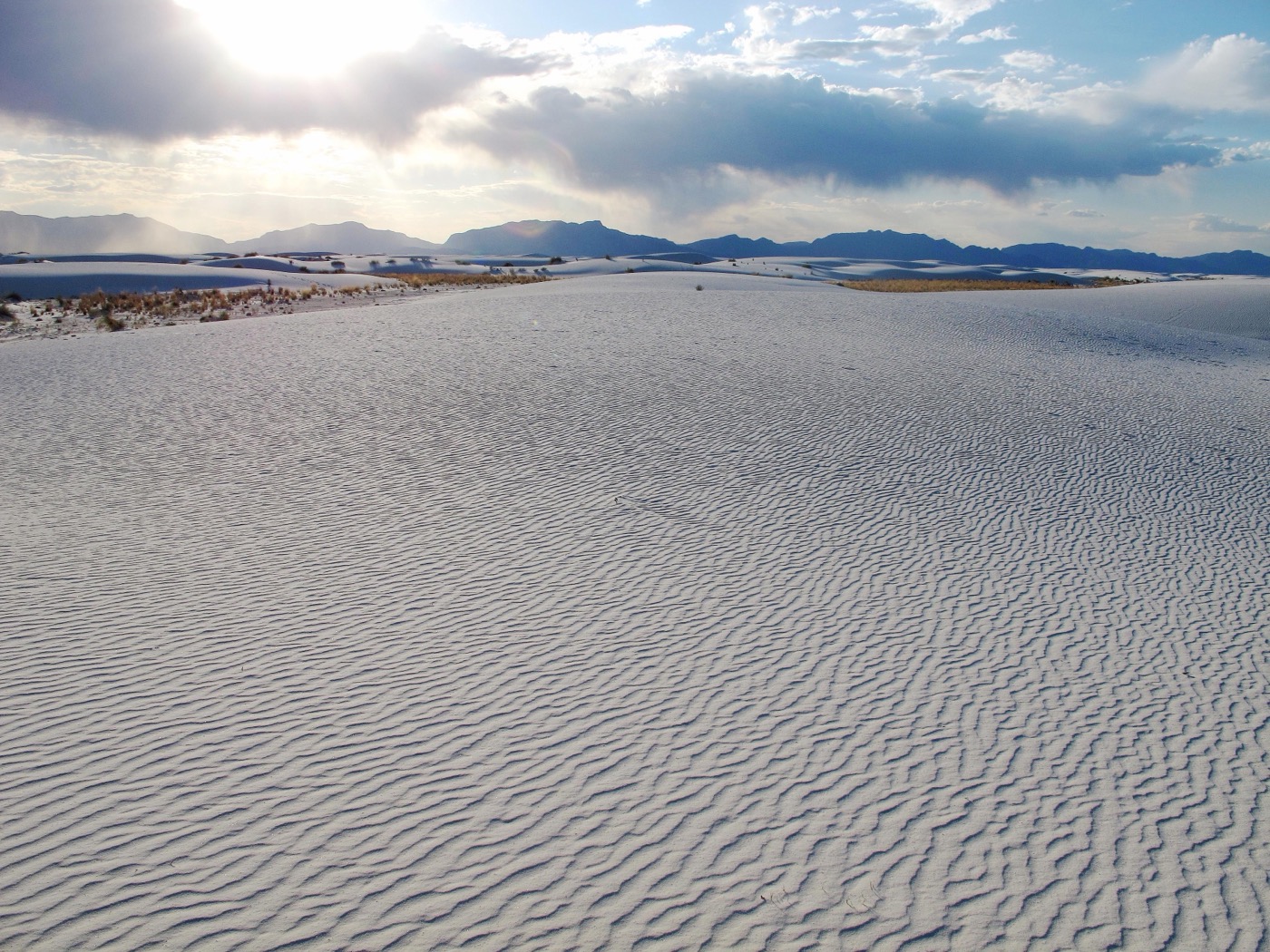
White Sands is one of those rare parks you can genuinely do well in a single day. The whole experience lives along an eight-mile dead-end road, and the headline activities (sledding down the dunes and watching the gypsum turn pink at sunset) don't take much hiking. The trick is timing it around the heat and the sun, which is what this guide is for.
The shape of a one-day visit
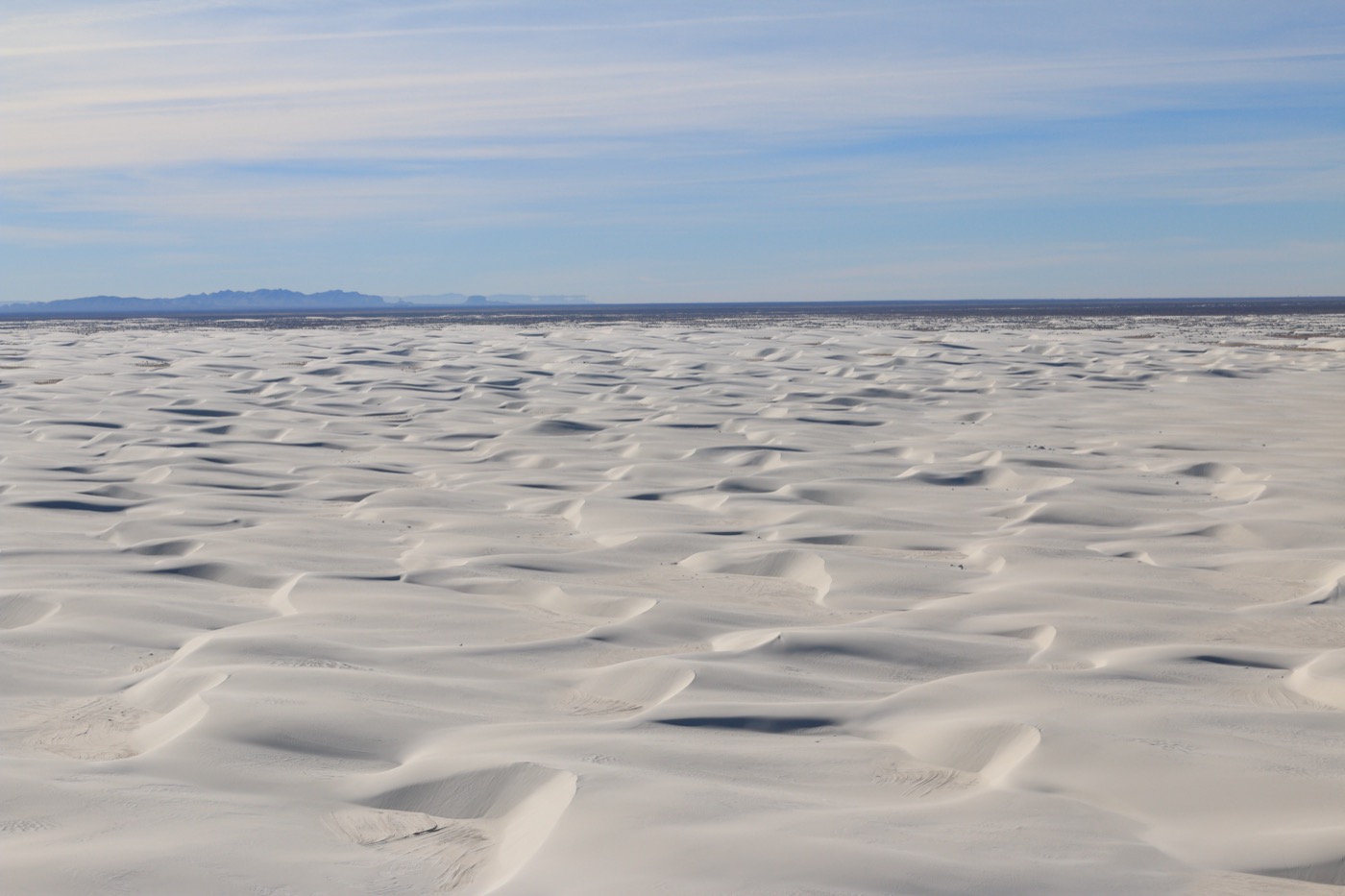
The park sits in the Tularosa Basin off US Highway 70, about 15 miles west of Alamogordo and 52 miles east of Las Cruces. Great wave-like dunes of gypsum sand cover 275 square miles of desert here, the world's largest gypsum dunefield. Everything you'll do branches off Dunes Drive, the road that runs from the entrance straight into the heart of the white.
- Gates open at 7:00 AM and the park closes 30 minutes after local sunset. Local sunset runs about 8 minutes earlier than Alamogordo's posted time.
- Entrance is $25 per private vehicle, good for seven days. Motorcycles are $20; walking or biking in is $15 per person.
- There's no lodging inside the park and no in-park restaurant to count on. Pack your own food and far more water than feels reasonable.
A workable rhythm: arrive mid-to-late morning, walk a short trail while it's tolerable, picnic, sled in the afternoon, then stake out a dune for sunset and let the park gently push you out at closing.
Sledding the dunes (the main event)
This is what most families drive in for, and it holds up. You sled on plastic saucer-style discs. You can buy them at the visitor center gift shop and often sell them back when you leave. Cardboard does not work on gypsum; bring or buy the real thing, and a block of wax to keep the bottom slick.
- Roadrunner Picnic Area: easy to reach and close to parking, which makes it the practical pick with younger kids hauling sleds.
- Alkali Flat Trailhead area: deeper into the dunefield with bigger, steeper slopes if you want more speed.
Kid-pacing note: trudging back up loose gypsum after every run is the real workout, so the novelty can wear out small legs faster than you'd expect. Plan on an hour or two, not a whole afternoon, and keep a water break between runs.
Short trails worth your steps
You don't need a big hike here. A short walk gets you fully surrounded by white with the car still nearby.
- Interdune Boardwalk: the park's only accessible trail, an elevated walk with interpretive signs. Best choice for strollers, wheelchairs, or anyone skipping the loose-sand scramble.
- Dune Life Nature Trail: a family-friendly one-mile loop that climbs up and over dunes (up to about 30 feet of loose gypsum). Great for kids, but not stroller-friendly.
- Playa Trail: short and flat, a quick out-and-back to a seasonal playa.
- Alkali Flat Trail: the ambitious one at roughly five miles round trip into the open dunefield. Marked by posts only, with no shade and no water. Skip this if it's hot or if you've got little kids; save it for a cool morning.
Timing the heat and the sunset
Summer afternoons in the basin get genuinely hot, and the white sand throws sun back at you from below. Wear sunglasses, a hat, and sunscreen, and treat midday as picnic-and-sled time rather than long-hike time. Spring is the windy season, fine for sledding, gritty for picnics. Fall brings mild days and even some cottonwood color, and it's arguably the most comfortable time to visit.
Then there's the reason to stay late. As the sun drops, the angle stretches long shadows across the ripples and the dunes shift from blinding white to soft pink and gold. Pick a dune crest near a picnic area 30 to 45 minutes before sunset, settle in, and let it happen. Just remember the gates close 30 minutes after sunset, so know your exit and don't linger past it.
Planning the real thing? Nestward builds a day-by-day plan for this park in minutes, free, no subscription. See how it works →