 Nestward
Is Wrangell-St. Elias National Park Worth Visiting?
A big, remote Alaska park, and a clear look at who it rewards.
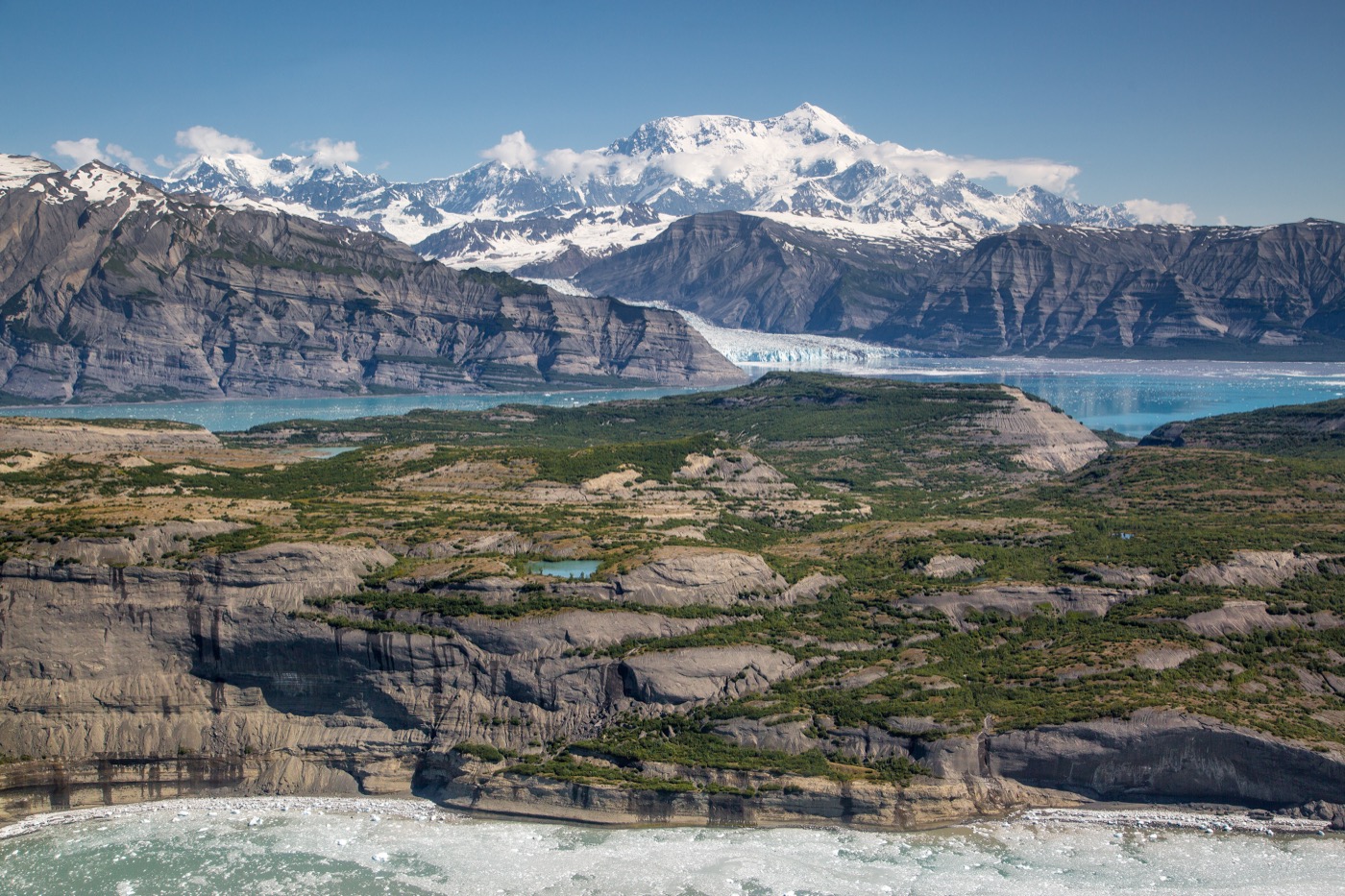
Short answer: yes, if you treat it as a multi-day Alaska expedition and no, if you're hoping for a quick scenic loop on the way to somewhere else. At 13.2 million acres (the size of Yellowstone, Yosemite, and Switzerland combined) Wrangell-St. Elias is the largest national park in the country, and it asks for real effort before it gives anything back.
The verdict
This is not a drive-up park. There are no entrance fees, no shuttle system, and almost no pavement past the visitor center. Two long gravel roads (the McCarthy Road and the Nabesna Road) are the only ways to drive into the heart of it, and both take hours. If you've got two or more days, a tolerance for dust and washboard, and a genuine appetite for wilderness, it's one of the most rewarding places in North America. If you have an afternoon, skip it and stop at the Copper Center visitor center instead.
Worth it for: backpackers, photographers, glacier and mining-history buffs, and anyone who wants the rare experience of a park where you make your own route. Probably skip it for: travelers on a tight Alaska loop, anyone who needs paved access and developed trails, or families with very young kids who won't enjoy hours of gravel road.
How you actually get in
The main visitor center sits in Copper Center along the paved Richardson Highway, about 200 miles east of Anchorage and 250 miles south of Fairbanks. That's the easy part. From there, getting into the park means one of two unpaved roads:
- The McCarthy Road: roughly 60 miles of gravel ending near the historic towns of McCarthy and Kennecott. Plan on it taking far longer than the mileage suggests. Most people park at the end and walk or shuttle across the footbridge.
- The Nabesna Road: the quieter northern route, also gravel, with trailheads, picnic spots, and wildlife viewing along the way.
Both roads are drive, hike, bike, and wildlife-viewing corridors in their own right. Check your rental car's gravel-road policy before you go, as some agencies prohibit these roads outright.
What makes it worth the effort
The payoff is scale and history you can't get anywhere else. Highlights worth building a trip around:
- Kennecott Mines: a preserved early-1900s copper mill town and National Historic Landmark, with its iconic red buildings set against the mountains. The Kennecott visitor center occupies the historic Blackburn School.
- Flightseeing: a bush-plane tour is the single best way to grasp a park with more than 3,000 glaciers and peaks rising to 18,008 feet. If you only splurge on one thing, make it this.
- Front-country hiking: for day-trippers, the Skookum Volcano Trailhead off the Nabesna Road and the established front-country trails near Kennecott give you real terrain without committing to backcountry.
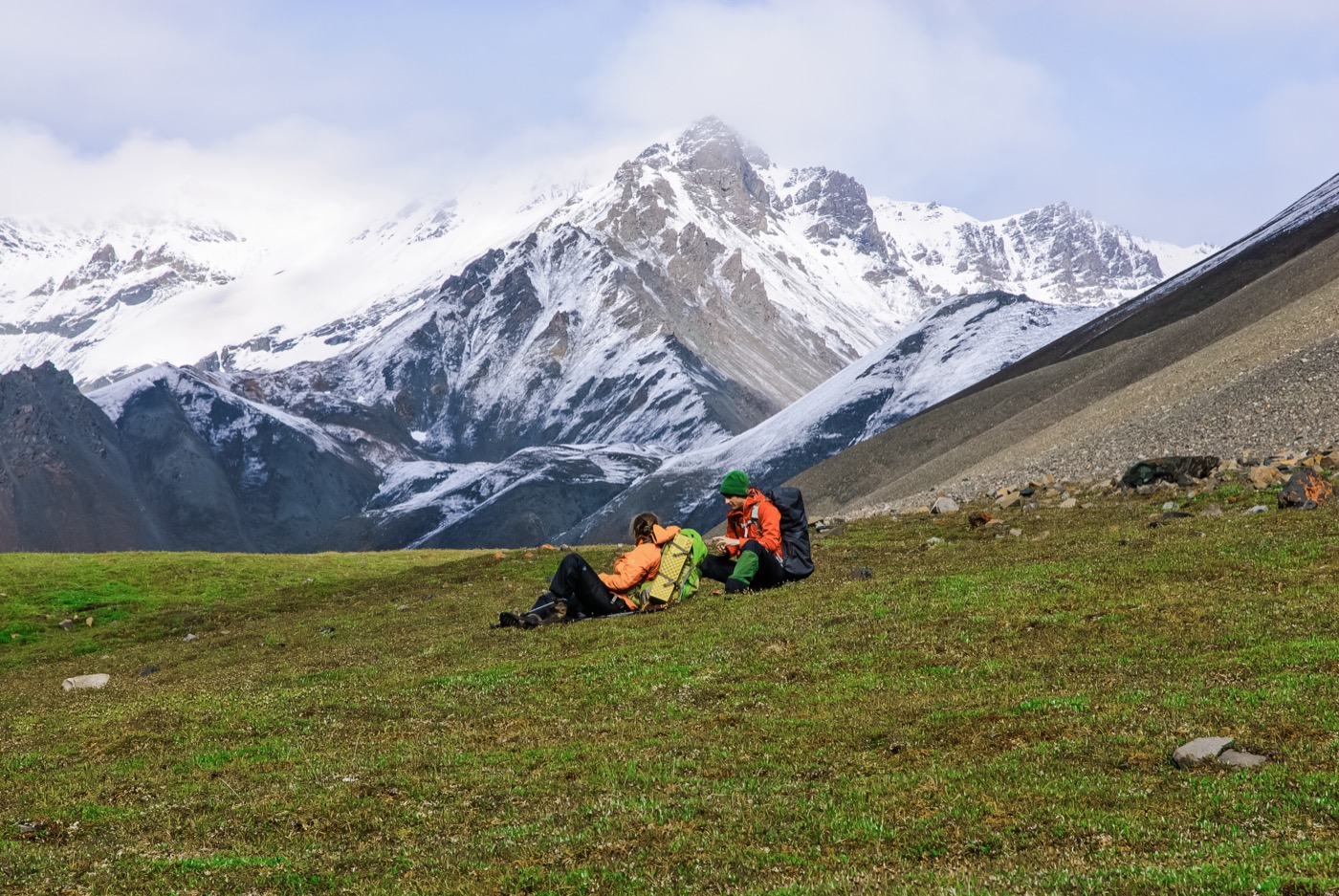
- Backpacking: the Mentasta Mountains and other routes make this a true backpacker's paradise, but expect off-trail navigation rather than signed paths.
- Fishing and ghost towns: Arctic grayling, dolly varden, and salmon are widespread, and old mining sites like the Bremner Historic Mining District reward the curious.
Timing, weather, and bringing a dog
Go in summer. Visitor facilities (Copper Center, Kennecott, Slana, and Chitina) are typically open in summer and closed from roughly mid-September through April. The park land itself is always open, but in the off-season you're on your own with limited services and serious cold. Weather varies enormously by location and elevation, so pack layers and rain gear no matter the forecast.
On dogs: like most national parks, Wrangell-St. Elias restricts pets to roads, parking areas, and campgrounds. They're not allowed on trails or in the backcountry, and they must be leashed. Given the remoteness, the bears, and the long gravel drives, this is genuinely not a park built around bringing your dog. If a hike with your dog is the goal, you'll be happier elsewhere.
Planning the real thing? Nestward builds a day-by-day plan for this park in minutes, free, no subscription. See how it works →