 Nestward
Is Virgin Islands National Park Worth Visiting?
A clear look at St. John's national park: reefs, ruins, and the ferry it takes to get there.
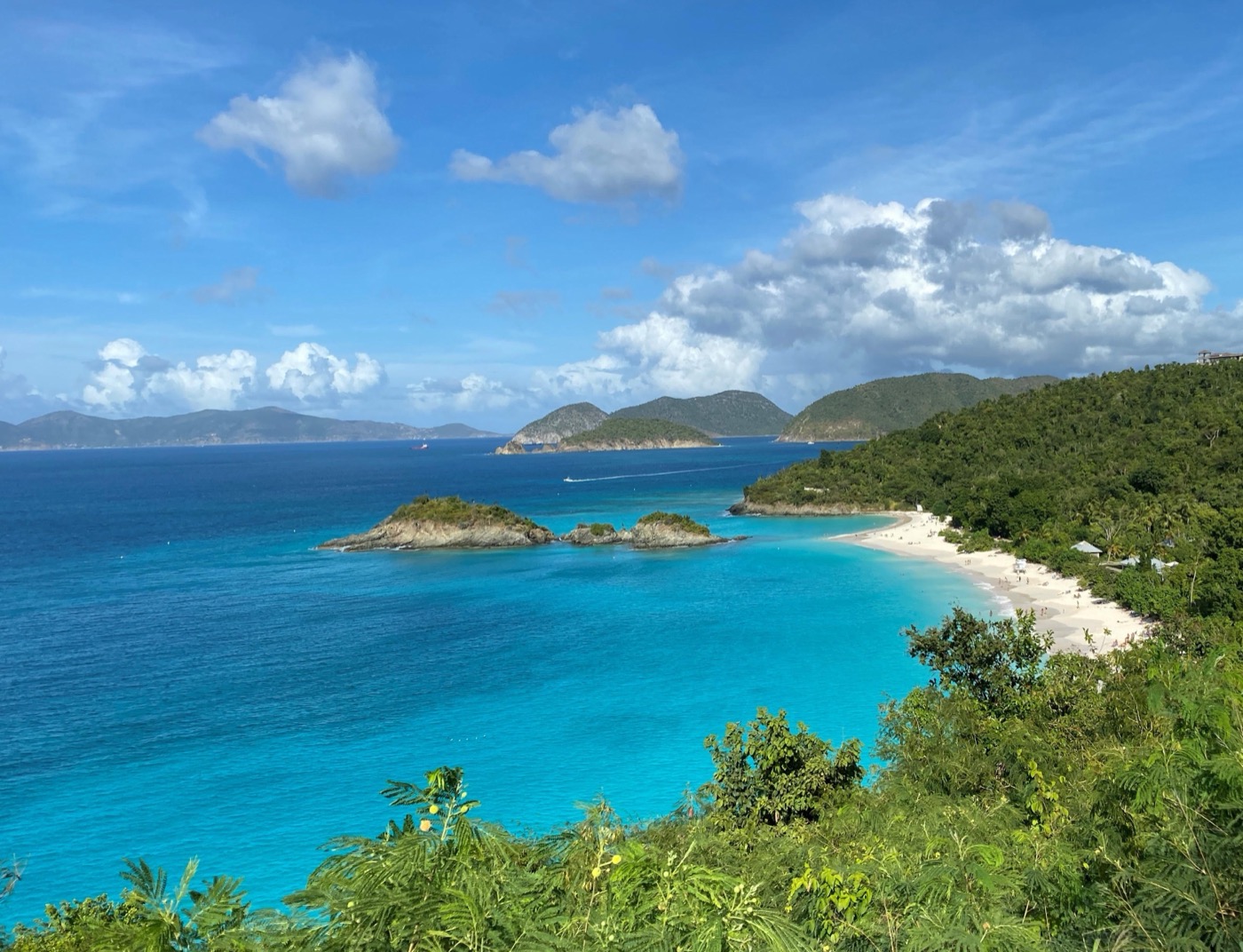
Short answer: yes, if you're already going to the Caribbean or you'll genuinely use the water. Two-thirds of the island of St. John is national park, and the snorkeling and beaches are the real draw. But this isn't a drive-up park. There are no airports on St. John, so getting here takes a flight, a ferry, and a plan.
The verdict
Virgin Islands National Park is worth it for people who want beaches and reefs at the center of the trip, not as a side quest. The park's pitch is in its own words: "Go beyond Virgin Islands National Park's stunning white-sand beaches" to historic plantation sites, ancient Taino petroglyphs, and coral reefs. If snorkeling, swimming, and unplugging on the sand sound like your week, this is one of the best places in the U.S. to do it.
Who can skip it: if you're a peak-bagger chasing big-mountain hikes, a road-tripper who wants to drive between sights, or anyone hoping for the dramatic canyon-and-cliff scenery of the western parks. This is a small tropical island, not a landscape park. It's also a logistical lift and a Caribbean-priced one. Don't come for the park alone unless the water is the point.
Getting there is the catch
Plan the travel before you plan the days. Per the park: there are no airports on St. John, so you fly into St. Thomas (Cyril E. King Airport, code STT), then get to Red Hook on the east end of St. Thomas, then take a ferry across. You can bring a vehicle on the car barge or walk on the passenger ferry. From the St. John ferry terminal in Cruz Bay it's a short walk to the Visitor Center.
- Rent a car on St. John if you want to reach the north-shore beaches and trailheads on your own schedule. Taxis work too, but a car earns its keep here.
- The Visitor Center in Cruz Bay is open 8:15 a.m.–4 p.m. Monday through Thursday and 8:15 a.m.–1:30 p.m. Friday, closed weekends and major holidays. The park itself is always open.
- There's no entrance fee for the park, though Trunk Bay charges a beach fee. Budget for the flights, ferries, and island prices instead.
What actually makes it special
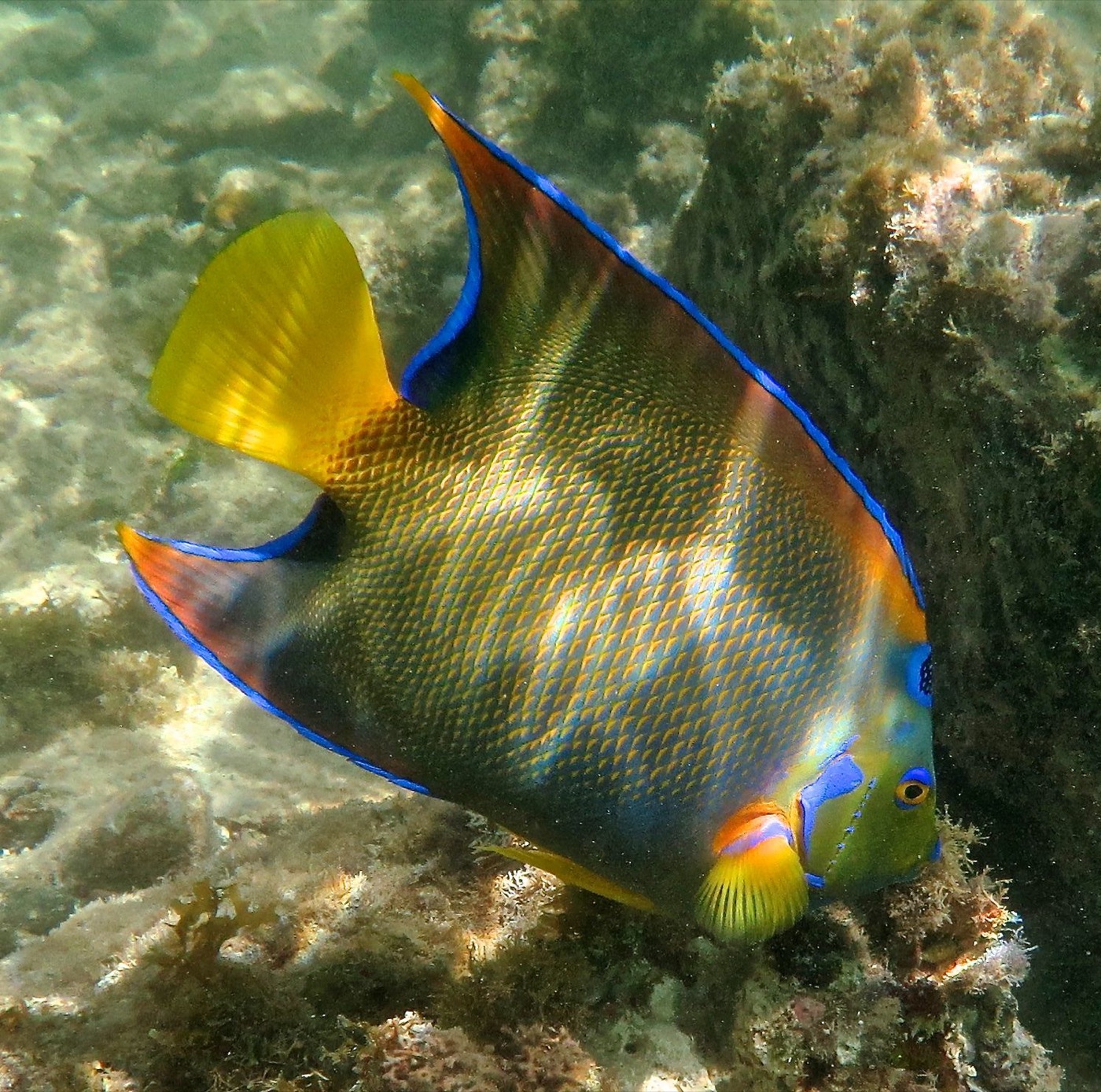
The water and the history, layered on one small island. A few of the park's signature spots:
- Trunk Bay: the postcard beach, with a marked underwater snorkel trail you follow with a mask and fins. It's the most famous, so it's the most crowded; come early.
- Maho Bay and Francis Bay: calmer, shallower water on the north shore. Sea turtles graze the seagrass at Maho, and the short Francis Bay Trail passes a salt pond good for birdwatching.
- Reef Bay Trail: a strenuous downhill hike past some of the island's oldest, tallest trees to Danish sugar-plantation ruins and pre-Columbian Taino petroglyphs. It's steep, rocky, and uneven; the waterfall is best in the rainy season.
- Annaberg Sugar Plantation: well-preserved ruins that tell the harder history of sugar and enslaved labor that shaped the island.
- Cinnamon Bay and Salomon/Honeymoon Bays: more beaches and reachable trails, including an accessible nature loop at Cinnamon Bay.
For longer legs, the Caneel Hill, Johnny Horn, and L'Esperance trails reward you with ridge views, but the headline experiences here are at sea level and underwater.
Best time to go
The park calls the weather "mostly perfect," driven by the easterly trade winds. Winter brings stronger winds and less rain, with peak season and peak prices running roughly December through April. Summer is rainier with lighter winds. Watch the calendar for Atlantic hurricane season (June–November) and winter swell events, both of which can churn up the water and scramble ferry plans. Check the forecast often.
Visiting with kids, and a note on dogs
This is a strong family park if your kids like water. The protected north-shore bays (Maho, Francis, Cinnamon) are shallow and calm, ideal for first-time snorkelers, and seeing sea turtles at Maho is a guaranteed hit. Keep the hiking gentle: save the steep Reef Bay descent for older, sure-footed kids and pair beach mornings with shaded afternoons, because the sun is strong.
On dogs: like most national parks, the rules are restrictive. Pets are generally limited to a few developed areas and must be leashed. They're not allowed on most park beaches or trails, and they don't mix with the sea turtles and nesting birds the park protects. This is not a destination built around bringing a dog, so make a pet-care plan before you book.
Planning the real thing? Nestward builds a day-by-day plan for this park in minutes, free, no subscription. See how it works →