 Nestward
Is Tonto National Monument Worth Visiting?
A small Arizona cliff-dwelling site that punches above its size.
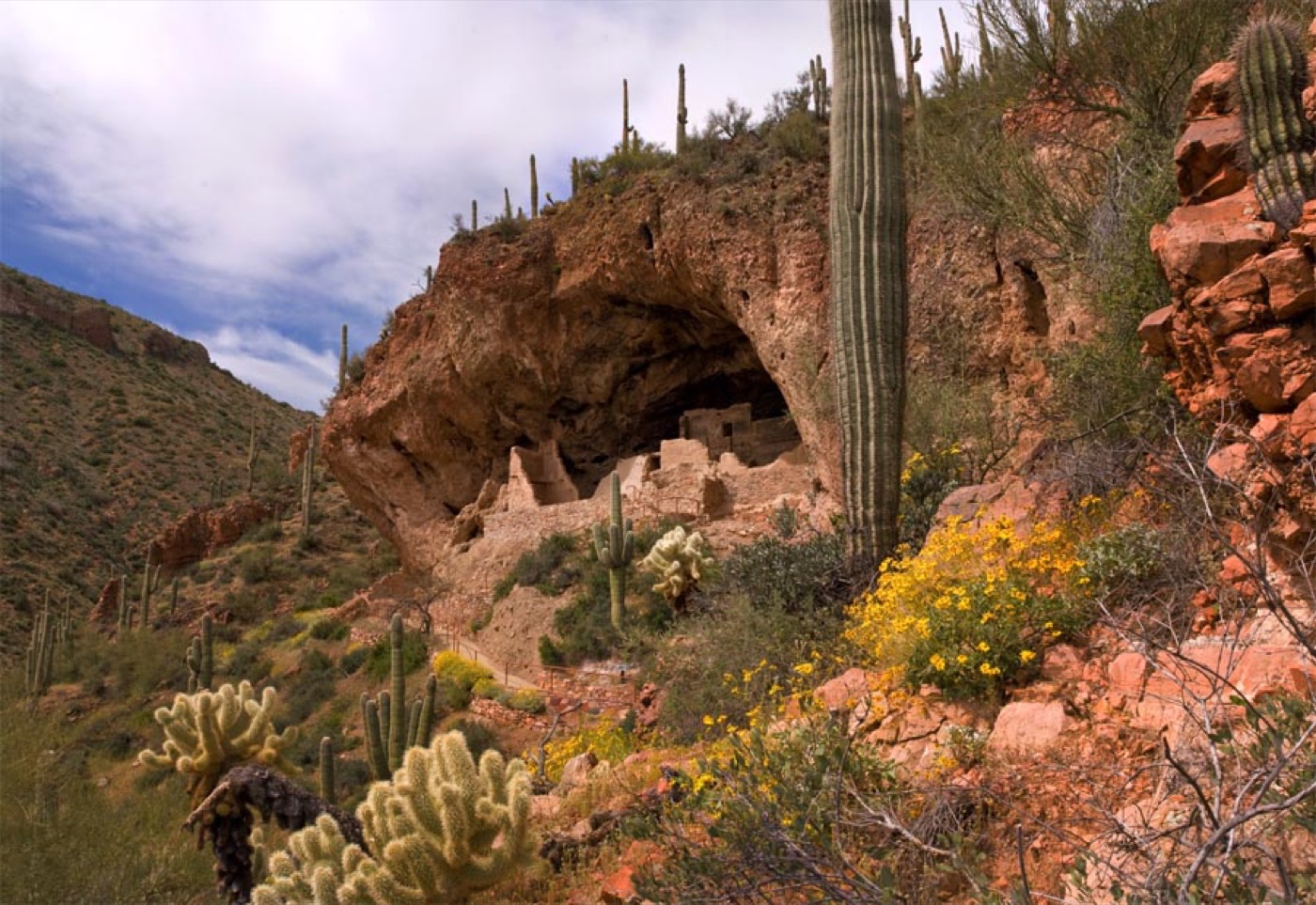
Short answer: yes, if you like history and you're already passing through. Tonto is not a destination park you build a whole vacation around. It's a half-day stop with a steep little trail and a genuinely remarkable payoff: a 700-year-old cliff dwelling you can walk inside. Here's the breakdown.
The verdict
Tonto National Monument protects two cliff dwellings in the northern Sonoran Desert, occupied between 1300 and 1450 CE by the people archaeologists call the Salado. The draw is simple and rare: you can hike up and physically step into the Lower Cliff Dwelling, walking through rooms built into the rock face. Most ancestral sites in the Southwest keep you behind a rope. This one doesn't.
That's the case for going. The case against is scale. The whole visit is small: a visitor center, a museum, a park film, and one short trail. You will not fill a day here. Two hours from Phoenix on AZ Highway 188, it's an out-and-back from anywhere except the nearby towns of Globe and Payson. So the real question isn't "is it good" (it is). It's "is it on your way."
What you actually do here
- Hike the Lower Cliff Dwelling Trail. This is the main event. It starts right at the visitor center and climbs about 350 feet over a 1-mile round trip on paved switchbacks, roughly an hour with time to explore inside. It's short but genuinely steep (around a 13% grade), fully exposed, with no shade. Benches along the way help. The reward is walking through the dwelling itself, with wide views over the Tonto Basin and Roosevelt Lake.
- See the Upper Cliff Dwelling on a ranger-guided tour. It's larger and better preserved, but reservations are required and tours run seasonally. It's not a walk-up option, so plan ahead if this is your goal.
- Visit the museum and watch the park film at the visitor center. Both are worth it for context on the Salado before you head up the trail, and they're a solid plan B on a brutally hot afternoon.
- Earn a Junior Ranger badge. If you're traveling with kids, grab the booklet at the visitor center; it gives them a reason to slow down and look.
Who should go, who can skip it
Go if: you're drawn to archaeology and Native American history, you're road-tripping between Phoenix and the Mogollon Rim, or you want a high-impact stop that doesn't eat a full day. Families with kids old enough for a steep half-mile climb tend to love actually stepping inside the dwelling. It makes the history real in a way a museum can't.
Skip it if: you want a big-park experience with miles of trails and overlooks. Tonto is compact by design. Skip it too if mobility is a real concern: the trail is steep, uneven in spots, and ends in stairs, and the Park Service notes manual wheelchairs aren't recommended. The practical alternative is viewing the dwelling through the parking-lot binoculars and enjoying the museum instead.
Timing and logistics that matter
- Go in the cooler months. October through April is the sweet spot. Summer here is punishing (only about 10 degrees cooler than Phoenix), and from June through August the Lower Cliff Dwelling Trail closes to new hikers at noon. Outside summer, you can start the trail anytime up to 4 p.m.
- Plan around the hours. The site is open 8 a.m. to 4 p.m. year-round and closed Thanksgiving, Christmas, and New Year's Day. The trail can also shut on short notice for excessive heat, lightning, bee activity, or flooding.
- Bring water and sun protection. No shade on the trail, full sun, desert heat. This is the one thing people underestimate. The visitor center has a water-fill station; use it.
- Fees: $10 per person 16 and up to hike to the dwellings, card only. An America the Beautiful pass covers the holder plus three others.
- Pair it with a longer day. Because it's a half-day stop, combine Tonto with Roosevelt Lake right next door, or roll it into a drive toward Payson or the historic mining town of Globe.
Planning the trip? Nestward builds a day-by-day plan in minutes, free, no subscription. See how it works →