 Nestward
Is Montezuma Castle Worth Visiting?
A clear look at Arizona's most famous cliff dwelling, and whether it earns the stop.
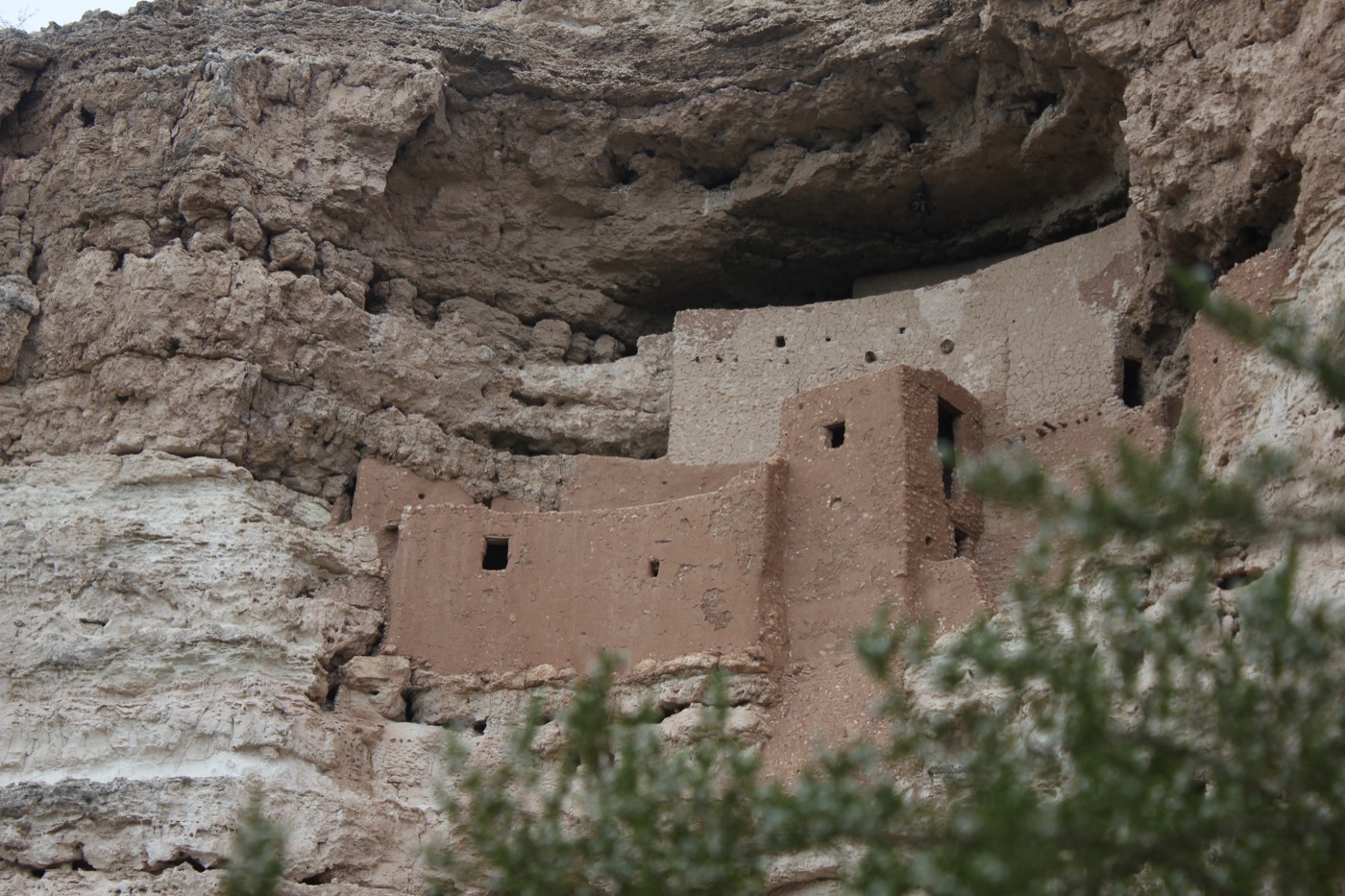
Short version: yes, but go in with the right expectations. Montezuma Castle is a genuinely striking 20-room cliff dwelling, built by the Sinagua people into a limestone cliff around 1150 CE, and more than 95% of what you see is original. It's also small. You'll see it from a paved trail, not from inside, and the whole visit takes well under an hour.
The verdict
Montezuma Castle is one of the best-preserved cliff dwellings in North America, and it's right off I-17 between Phoenix and Flagstaff. That combination makes it an easy, high-reward stop. The dwelling is dramatic, the interpretive signs are good, and you don't have to earn the view with a hard hike.
But manage expectations. Tours inside the Castle ended in 1951, so you view it from below. There's no climbing up, no going in. The main loop is just 0.3 miles. If you're picturing a half-day adventure, this isn't that. It's a 30-to-45-minute stop that punches above its size.
- Worth it if: you're driving I-17 anyway, you like archaeology and Native American heritage, you have kids who'd enjoy a Junior Ranger badge, or you want a low-effort win on a long travel day.
- Skip or shorten if: you need a long hike to feel like a stop was worthwhile, you're tight on time and far off the interstate, or you've already seen larger cliff dwellings like those at Walnut Canyon or Mesa Verde and want something bigger.
What you'll actually do here
There are really two things to see, and both are short:
- View Montezuma Castle: the paved 0.3-mile loop starts at the visitor center and brings you to within about 100 yards of the dwelling. It's wheelchair accessible, mostly shaded, with benches and shade structures along the way. You also pass the creekside ecosystem the Sinagua lived above.
- Castle A: a short spur (paved, but with a steep grade not suited to wheelchairs) leads to the remains of a second dwelling that was once roughly twice the size of the Castle. It burned in the late 1300s; some stonework and cliff rooms are still visible.
Inside the visitor center, a five-minute video tour plays on a loop showing the interior you can't otherwise see. There's a museum, a bookstore, and a water bottle refill station. The Castle is not visible from any road, so you do have to walk the loop to see it.
Bring the dog (and the kids)
This is a rare cliff-dwelling site that's pet-friendly. Leashed dogs are welcome on the trails, and you can earn a Montezuma Castle and Tuzigoot BARK Ranger tag at the visitor center bookstore. In summer, check the pavement with the back of your hand for seven seconds before walking your dog, because high temps run 95 to 115°F and the parking areas aren't shaded.
For kids, the Junior Ranger Program gives them a mission, and the short walk means nobody melts down halfway through. It's a manageable, genuinely interesting stop for families.
Make it a half-day: add Montezuma Well
If the Castle alone feels too short, pair it with Montezuma Well, a separate unit of the monument about a 20-minute drive away (I-17 exit 293). It's a limestone sinkhole fed by a continuous spring, ringed by more cliff dwellings and the irrigation channels the Sinagua used. Together, the two sites make a satisfying half-day and tell a fuller story of how people thrived in this desert.
Practical notes before you go
- Getting there: I-17 to exit 289, about 90 minutes north of Phoenix or 45 minutes south of Flagstaff, then a short drive to the visitor center.
- Hours & fees: open daily 9:00 AM–4:45 PM (the gate is a mile from the visitor center and closes at 4:45). Entrance is $10 per adult 16+, good for 7 days and also valid at Tuzigoot National Monument. Closed Thanksgiving, Christmas, and New Year's Day.
- Heat & weather: summers are brutal and afternoon monsoon storms are common July through mid-September. The trail closes for 30 minutes after any lightning within five miles. Bring water; they don't sell bottled water, but you can refill at the visitor center.
- Wildlife: rattlesnakes are active spring through fall and can be on the trail. Give them at least six feet and tell a ranger; staff are trained to relocate them.
Planning the trip? Nestward builds a day-by-day plan in minutes, free, no subscription. See how it works →