 Nestward
Is Lake Clark National Park Worth Visiting?
A clear look at one of Alaska's wildest, hardest-to-reach parks.
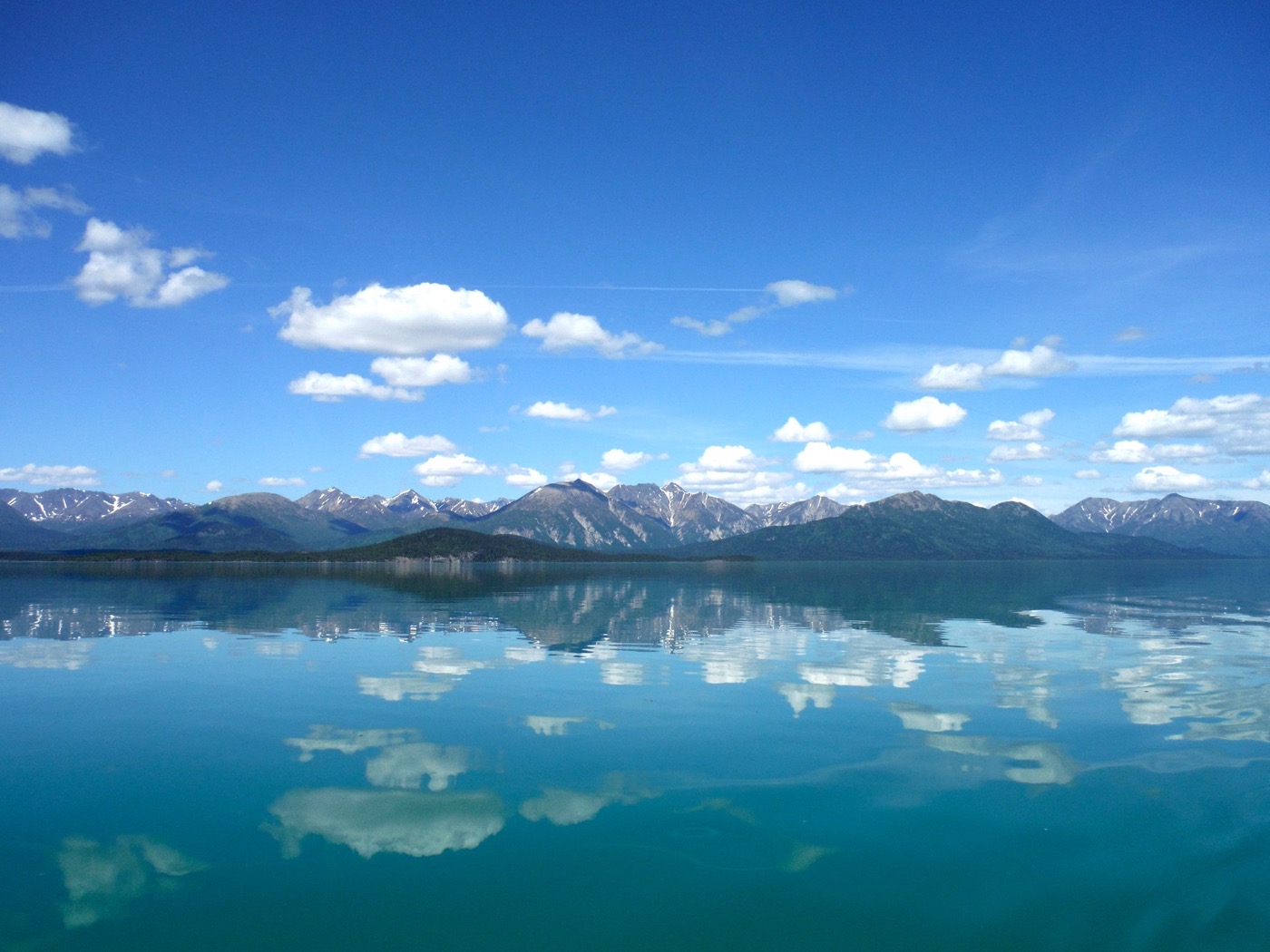
Short answer: yes, but only if you're up for it. Lake Clark sits across Cook Inlet from Anchorage with no roads in, so getting here means a small plane and real planning. If that excites you instead of scaring you off, it's one of the most rewarding parks in the country. If it sounds like a hassle, it will be one.
The verdict
Lake Clark is a land of volcanoes, salmon, foraging bears, and turquoise lakes, and almost nobody. There are no entrance fees, no roads, and no crowds. The NPS describes it as a place where "local people and culture still depend on the land and water," and that wildness is the whole point. It's worth visiting if you want true wilderness and bear viewing without the lottery odds of more famous parks. It's worth skipping if you're after a classic drive-up, see-it-in-a-day national park.
Who it's for
- Bear lovers. Fly-in bear viewing along the Cook Inlet coast (places like Silver Salmon Creek and the West Cook Inlet coast) is the park's signature experience. Brown bears forage the sedge flats and salmon streams, often within easy view.
- People who want quiet. This is one of the least-visited parks in the system. You can have a turquoise lake and a mountain skyline mostly to yourself.
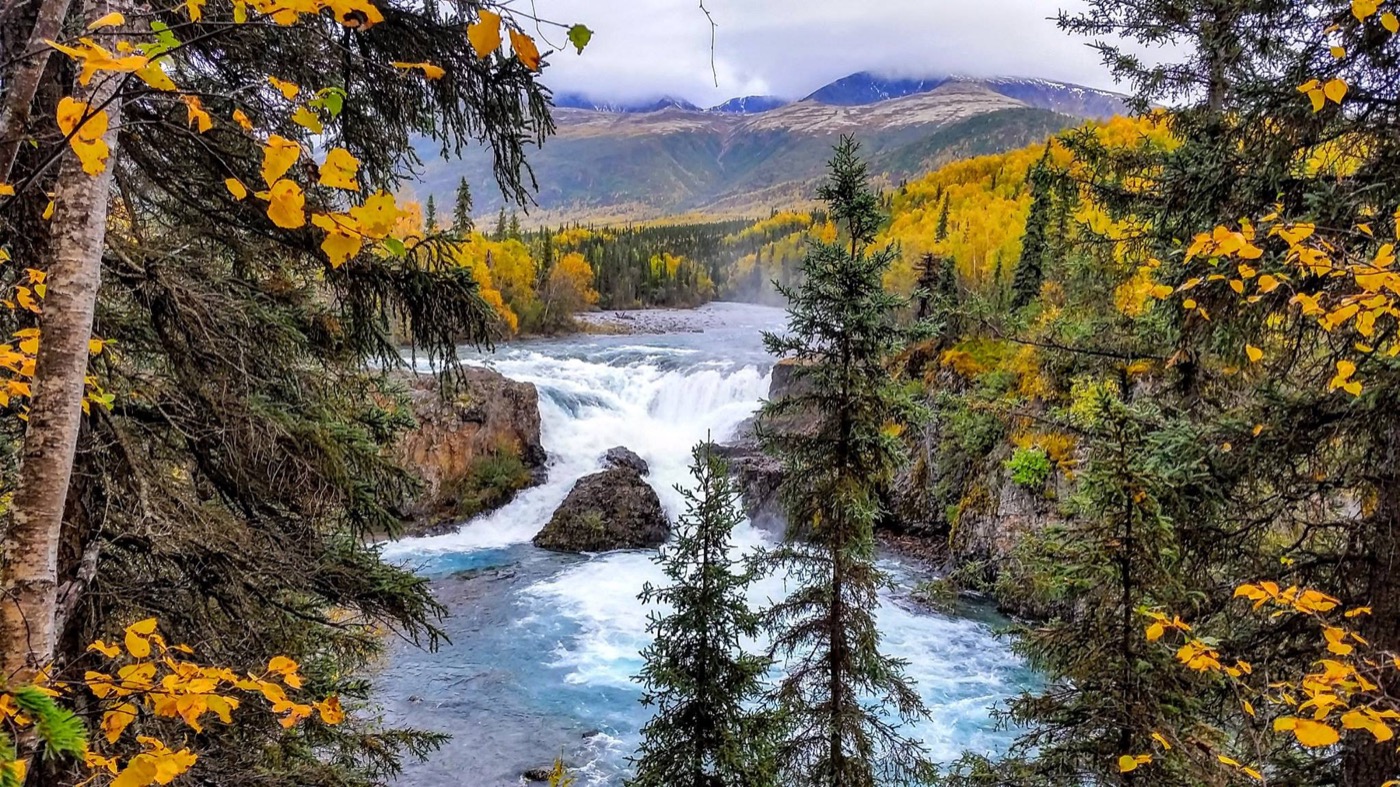
- Anglers. The fishing here is the real thing: fishing on Lake Clark, fly fishing near Tanalian Falls, and famous salmon runs feeding all of southwest Alaska.
- Self-sufficient hikers and paddlers. Day hikes from Port Alsworth (up Tanalian Mountain or out to Tanalian Falls), plus remote base camping and kayak trips on glacier-fed lakes.
- History and culture seekers. The Richard L. Proenneke historic site (the famous "Alone in the Wilderness" cabin), the Wassillie Trefon Dena'ina Fish Cache, and exhibits on Bristol Bay fishing history give the trip depth beyond scenery.
Who can skip it
- Road-trippers. If your plan is to drive up, snap a photo, and move on, this park doesn't work that way. There is no road system. Period.
- Budget travelers. Air taxis and bear-viewing day trips add up fast. Lake Clark rewards a real commitment of time and money.
- Anyone wanting guardrails. Services are limited, weather grounds planes, and you're responsible for yourself in genuine bear country.
- Dog owners hoping to bring the pup. Like most national parks, pets are restricted here, and the backcountry trails and bear-heavy coast are no place for a dog. Leave them home with a sitter.
Getting in and when to go
There's only one way in: a one-to-two-hour flight from Anchorage, Kenai, or Homer. Fixed-wing aircraft can land on suitable lakes, rivers, beaches, and gravel bars throughout the park and preserve. Most visitors book a guided flight or stay at a lodge that arranges the air taxi. Reservations for flight-seeing and bear-viewing trips are required, so line operators up well in advance.
Go in summer. The park is open year-round and 24/7, but visitor services run only from roughly Memorial Day to Labor Day. Bears are most active around the salmon runs in summer, and lake ice (which dictates whether planes use floats or skis) typically melts in April and reforms in November. The coast is wetter and milder; the interior is drier but swings hotter in summer and colder in winter. Pack rain gear regardless: frost and snow can show up almost any month.
Bottom line
Lake Clark isn't a convenient park, and it never pretends to be. But for volcanoes steaming over turquoise water, bears on the salmon, and a wilderness that's genuinely yours for the day, the effort pays off. If you've already done the easy parks and want the real Alaska, this is worth every bit of the plane ticket.
Planning the real thing? Nestward builds a day-by-day plan for this park in minutes, free, no subscription. See how it works →