 Nestward
Is Gates of the Arctic Worth Visiting?
The verdict on America's wildest, least-visited national park.
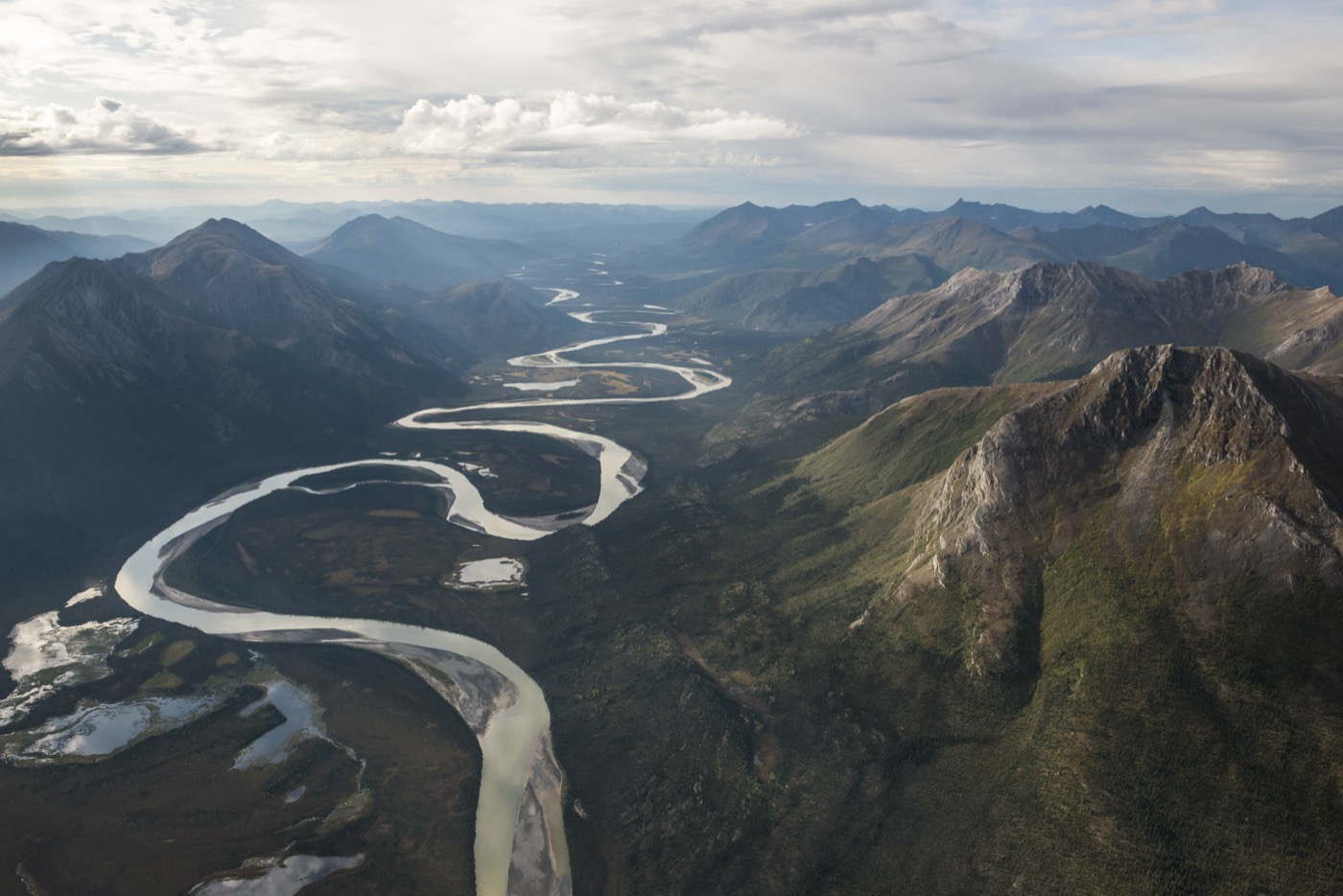
Short answer: yes, but only for the right person. Gates of the Arctic, deep in Alaska's Brooks Range, has no roads and no trails: not into the park, not inside it. You fly in by bush plane, and from there it's just you and the tundra. That is either the trip of a lifetime or a logistical nightmare, depending entirely on who you are.
The verdict
This is the second-least-visited national park in the country, and the reasons are baked into the geography. The NPS describes it plainly: "This vast landscape does not contain any roads or trails." There are no entrance fees because there's no entrance. No visitor center inside the park. No campgrounds, no marked routes, no cell service, no rescue around the corner.
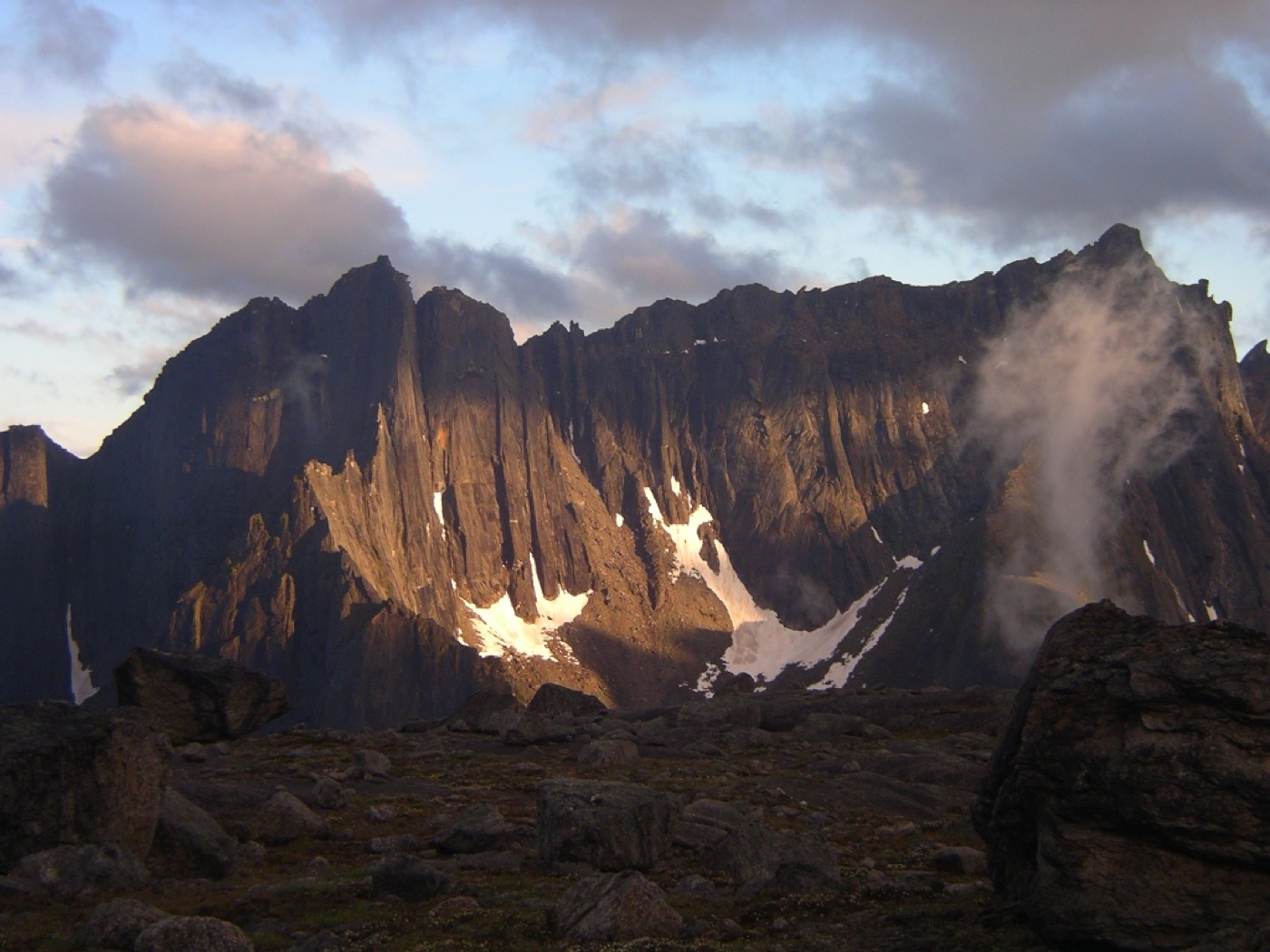
What you get instead is roughly 8.4 million acres of intact arctic wilderness: wild rivers in glacier-carved valleys, caribou on age-old migration trails, and the granite spires of the Arrigetch Peaks catching alpenglow. If genuine, unmediated wilderness is the thing you crave, nowhere in the park system delivers it harder.
Who it's worth it for
- Experienced backcountry travelers. If you can read terrain, ford a river, navigate off-trail, and camp self-sufficiently for days, this park rewards you like few places on Earth. The NPS calls backpacking the Brooks Range a route to "the most remote and least traveled areas of the entire National Parks system."
- Paddlers. Floating a Wild & Scenic River here is the classic way in. Rivers are "the veins and arteries through the heart of the wilderness," and most trips use packrafts or collapsible boats because bush planes won't haul rigid canoes.
- People chasing true solitude. You can go a week without seeing another human. For some travelers that's the entire point.
Who should skip it (for now)
- Families with young kids. There's no easy version of this park. No paved overlook, no short loop, no Junior Ranger walk in the woods. A young child here means carrying them through river crossings and tundra for days. If you're traveling with kids, Denali or Kenai Fjords will give you Alaska's grandeur with infinitely more support.
- First-time wilderness travelers. This is not the place to learn. A mistake that's an inconvenience elsewhere can be serious here, because help is hours of flight time away.
- Anyone short on time or budget. Bush flights from Bettles or Coldfoot aren't cheap, and weather can ground you for days. Build slack into your schedule or don't come.
Getting in (the real logistics)
Everything starts in Fairbanks. From there, small airlines fly daily to the gateway communities of Bettles, Anaktuvuk Pass, and Coldfoot. Most visitors hire an air taxi from one of these to drop them in the backcountry, or hike in from the Dalton Highway or the village of Anaktuvuk Pass. Either way, river crossings are part of the deal. There's no avoiding water.
Best time to go is summer through early fall (roughly June to mid-September), when the rivers are floatable and the tundra is passable. The climate is arctic and sub-arctic: cold winters, mild but buggy summers, low rainfall, high winds, and weather that "can change rapidly." Pack for all of it. There are no fees and no reservations to enter, but you should talk to the park's ranger stations before you go.
A note on dogs
Technically, pets are permitted in Gates of the Arctic. There are no developed-area leash rules because there are no developed areas. But "permitted" is not the same as "a good idea." This is prime grizzly and caribou country, and a dog in the backcountry can change the dynamic with wildlife fast. If you're considering bringing a dog, treat it as a serious backcountry decision, not a casual one, and check current guidance with park staff first.
Planning the real thing? Nestward builds a day-by-day plan for this park in minutes, free with no subscription. See how it works →