 Nestward
Is El Morro Worth Visiting?
A small New Mexico monument with a big stone diary. Here’s the take.
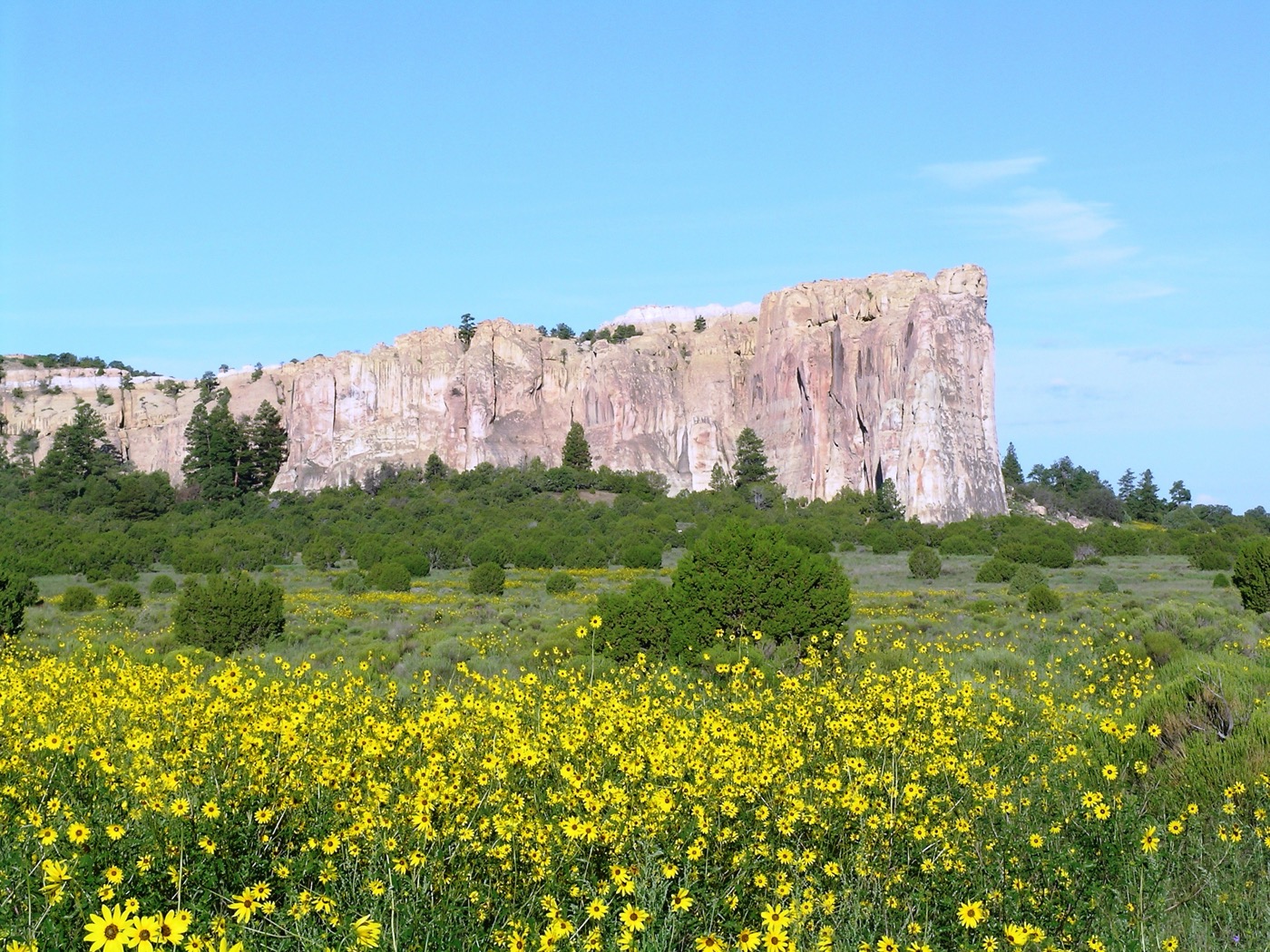
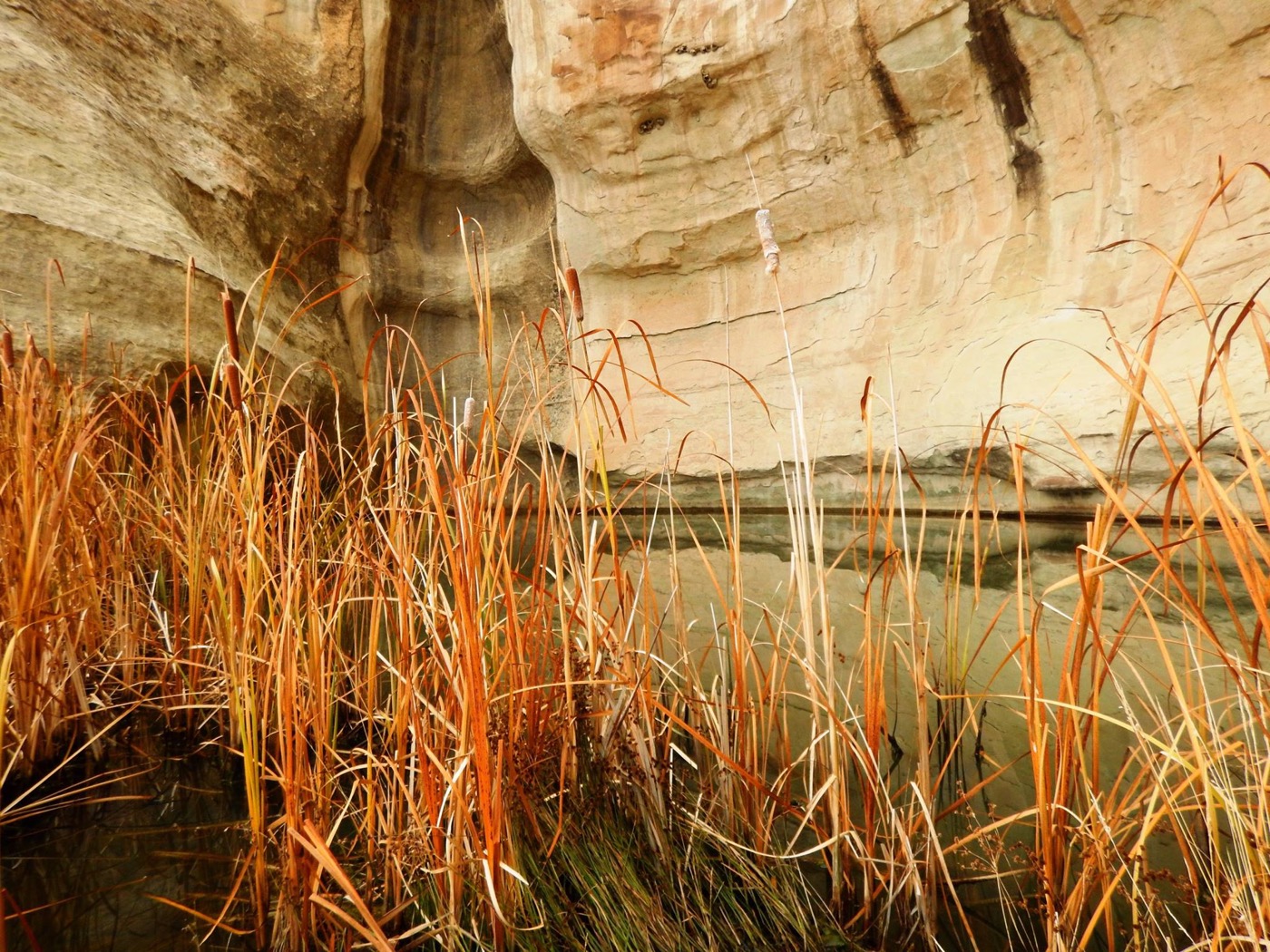
El Morro is a sandstone bluff in remote western New Mexico where a reliable waterhole drew travelers for centuries (ancestral Puebloans, Spanish soldiers, and American settlers) who carved over 2,000 signatures, dates, and petroglyphs into the rock. It is genuinely remarkable. It is also small, far from anything, and easy to overshoot. Here's whether the detour earns its gas money.
The short verdict
Yes, if you care about history you can put your hand next to, and you don't mind driving for it. El Morro is one of the few places where a 17th-century Spanish governor and an ancestral Puebloan petroglyph share the same wall of rock. Reading "Paso por aquí" ("passed by here") carved by people who stopped at the same pool you're looking at is a quieter, stranger thrill than most big parks deliver.
Skip it if you only have time for the headline parks and a two-hour stop in the middle of nowhere doesn't fit. El Morro is a National Monument, not a sprawling national park. The whole place is built around two short trails. You'll do it in half a day, but getting there is the cost.
What you actually do here
Everything starts at the El Morro Visitor Center, where both trails begin and end. There are exactly two, and they're the reason to come:
- Inscription Rock Trail: a paved 0.75-mile loop past the historic pool and hundreds of Spanish and American inscriptions plus prehistoric petroglyphs. About 45 minutes. The half-mile portion to Marker 16 is wheelchair-accessible with assistance. This is the main event, and the one to do if you only have an hour.
- Hiking the Headland Trail: a 2-mile route that includes the Inscription Loop, then climbs 224 feet (via switchbacks or 132 stairs) to the top of the bluff. Up there sit two ancestral Puebloan dwellings, including the partially excavated Atsinna Pueblo, and a wide view over the El Morro valley. Budget about two hours. Much of the upper section crosses bumpy, uneven sandstone, so wear real shoes.
Inside, the visitor center has a small museum, a short park film, and a bookstore, a solid stop if anyone in your group can't hike. And it's a free Junior Ranger park: ask at the front desk for the El Morro Junior Ranger book, complete it during your visit, and kids earn a badge.
Who it's great for (and who can skip)
Worth the drive if you're:
- Into history, archaeology, or anything hands-on-the-past. The inscriptions are the rare attraction that lands harder in person than in photos.
- Traveling with kids who can handle a paved loop, since the Junior Ranger program and the "people carved their names here" hook do real work.
- Already routing between Albuquerque/Grants and Gallup, or pairing it with El Malpais next door. A planned stop, not a special trip, is the sweet spot.
- A fan of quiet. This is one of the least crowded NPS sites you'll find, and the night sky is excellent.
Probably skip if you:
- Want big landscapes and long hikes. Two short trails is the whole menu.
- Are on a tight loop of marquee parks with no slack for a remote detour.
- Can't get there during open hours. The trails are only accessible when the visitor center is open, and last admittance to the Headland Trail is 3:00 pm.
The logistics that make or break it
El Morro is genuinely remote. From Albuquerque, take I-40 west to Grants, then Highway 53 south for 42 miles. From the Flagstaff/Gallup side, it's Highway 602 then Highway 53, about 56 miles total off the interstate. There's no quick pull-off; commit to the detour or don't.
Hours matter more here than almost anywhere. In summer (roughly late May through mid-October) the park is open seven days a week. In winter it closes Tuesdays and Wednesdays. Trail access begins at 9:00 am, last admittance to the Headland Trail is 3:00 pm, and the Inscription Loop's last admittance is 4:00 pm. Once the visitor center closes at 5:00, the trails close too. There's no entrance fee.
It sits at 7,219 feet, so plan for altitude and weather. July highs average a comfortable 84°F with afternoon thunderstorms mid-July through mid-September, and trails can close on short notice during severe weather. Winters are cold and snowy, with December and January lows in the teens. Bring water, snacks, and sun protection. Services out here are thin.
Want to stay the night? The free, nine-site El Morro Campground is open year-round, first-come, first-served, with no reservations and no fees. Each site has a tent pad, picnic table, and grill; water runs in the warm months and shuts off when overnight temps drop below freezing. RVs up to 27 feet fit, but there are no hookups. It occasionally fills on weekends from May through September. For more, the gateway town of Grants has the nearest motels and supplies.
Planning the trip? Nestward builds a day-by-day plan in minutes, free with no subscription. See how it works →