 Nestward
A First-Timer's Guide to Saguaro National Park
Two desert districts, the country's biggest cacti, and the city of Tucson in between.
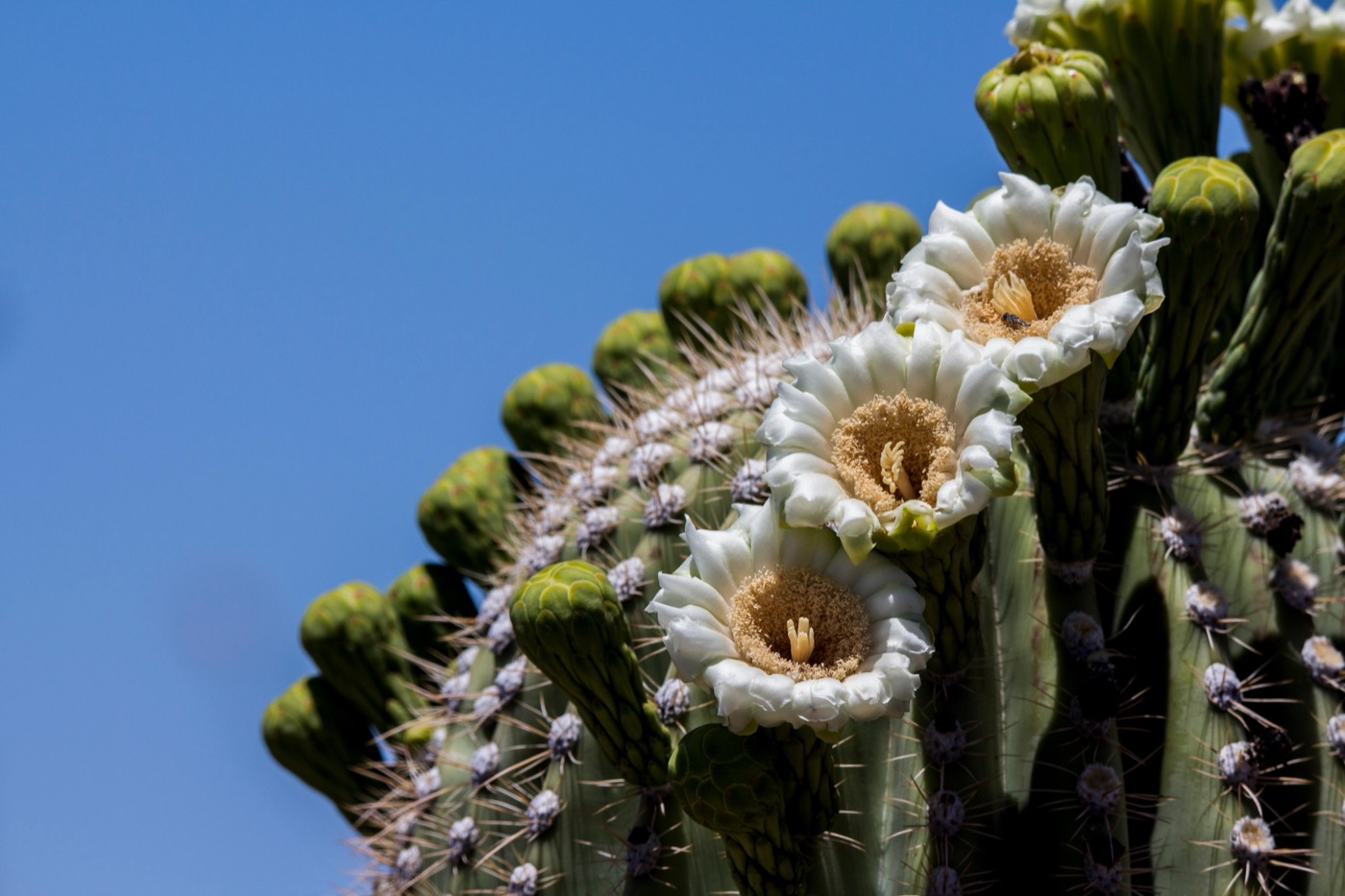
Saguaro protects the nation's largest cacti, those forty-foot, many-armed giants you've seen on every postcard of the West. Here's the thing first-timers don't expect: the park is split into two halves, east and west, with the city of Tucson, Arizona sitting right in the middle. Knowing that one fact will save you an hour of driving and a lot of confusion.
When to go (and when not to)
Saguaro is a desert park, so timing is everything. The sweet spot is roughly October through April, when daytime temperatures sit in the 50s to high 70s and hiking is genuinely pleasant. Winter days are mild and the light on the cacti is gorgeous; snow is extremely rare but does happen once in a blue moon.
Summer is a different animal. From late spring on, temperatures climb into the mid-90s and regularly top 110°F. You can still visit. Just treat it like the desert it is. Hit the trails at sunrise or in the last hour before sunset, when the saguaros glow and the heat backs off. Avoid midday hiking entirely. The park also scales back its ranger programs to an intermittent schedule through the hottest months, so don't count on guided walks in July.
- Best overall: October to April for comfortable hiking.
- Spring bonus: wildflowers peak in March, and the saguaro blooms (Arizona's state flower) usually open in late spring.
- Summer survival: dawn or dusk only, plenty of water, no midday hikes.
East or West: pick your district
The two districts are separated by Tucson and feel different, so decide before you go. Don't just punch "Saguaro National Park" into your phone. The NPS specifically warns that mapping apps send people to the wrong place. Look up the district's physical address instead.
- Rincon Mountain District (East): address 3693 S Old Spanish Trail. Home to the paved 8-mile Cactus Forest Loop Drive (open 5:00am–8:30pm), a denser cactus forest, and more trail mileage climbing into the higher Rincon Mountains.
- Tucson Mountain District (West): visitor center at 2700 N Kinney Rd. The Bajada Loop Drive (a graded dirt road, open during daylight) winds through some of the thickest saguaro stands in the park, with petroglyphs and big desert views.
If you only have a day, pick one district and do it well rather than racing across the city to see both. Either visitor center is open daily: 9:00am–5:00pm from October through May, shifting earlier to 8:00am–4:00pm in summer.
Getting in: fees and hours
The park itself never closes (you can walk or bike in 24 hours a day), but the scenic loop drives follow the hours above. Entrance runs $25 per private vehicle, $20 per motorcycle, or $15 per person if you arrive on foot or by bike; passes are good for 7 days and cover both districts. If you're road-tripping more parks, the $45 Saguaro annual pass or the federal "America the Beautiful" pass quickly pays for itself.
Your first hikes
Start small and let the desert impress you. These cacti are most striking up close. The park's front-country trails are short, well-signed, and flat enough for a first visit.
- Cactus Forest Loop Drive (East): even if you only drive it, the 8-mile paved loop puts you in the middle of a saguaro forest with short trail pull-offs to stretch your legs.
- Bajada Loop Drive (West): slow, scenic, and unpaved; stop at the signed trailheads for quick walks among the densest cactus stands.
- Both districts have easy nature trails right by the visitor centers, ideal for a first taste and for kids who need a clear start and finish.
Two desert rules that matter more than any trail name: carry far more water than feels reasonable, and stay on the path. The ground here is full of cholla, prickly pear, and rattlesnakes, and a stumble off-trail into a cactus is the classic first-timer souvenir nobody wants.
Bringing kids or a dog?
For families, Saguaro is forgiving: short loops, a free Junior Ranger program at the visitor centers, and big "wow" moments without long mileage. Plan the hiking for morning, build in a shaded visitor-center break, and let the scenic drives do the heavy lifting on a hot afternoon.
For dogs, be honest with yourself before you load the car: Saguaro, like most national parks, keeps pets off all hiking trails and out of the backcountry. Leashed dogs are allowed only on the paved roads, in parking areas, and in picnic and campground areas. That means your dog can ride the scenic drives and stretch its legs at pullouts, but it can't join you on the trails, so don't plan your whole visit around hiking with a pup.
Planning the real thing? Nestward builds a day-by-day plan for this park in minutes, free, no subscription. See how it works →