 Nestward
A First-Timer's Guide to Haleakala National Park
Sunrise above the clouds, a crater you can hike into, and a waterfall valley on the far coast. Here's how to do Maui's volcano right.
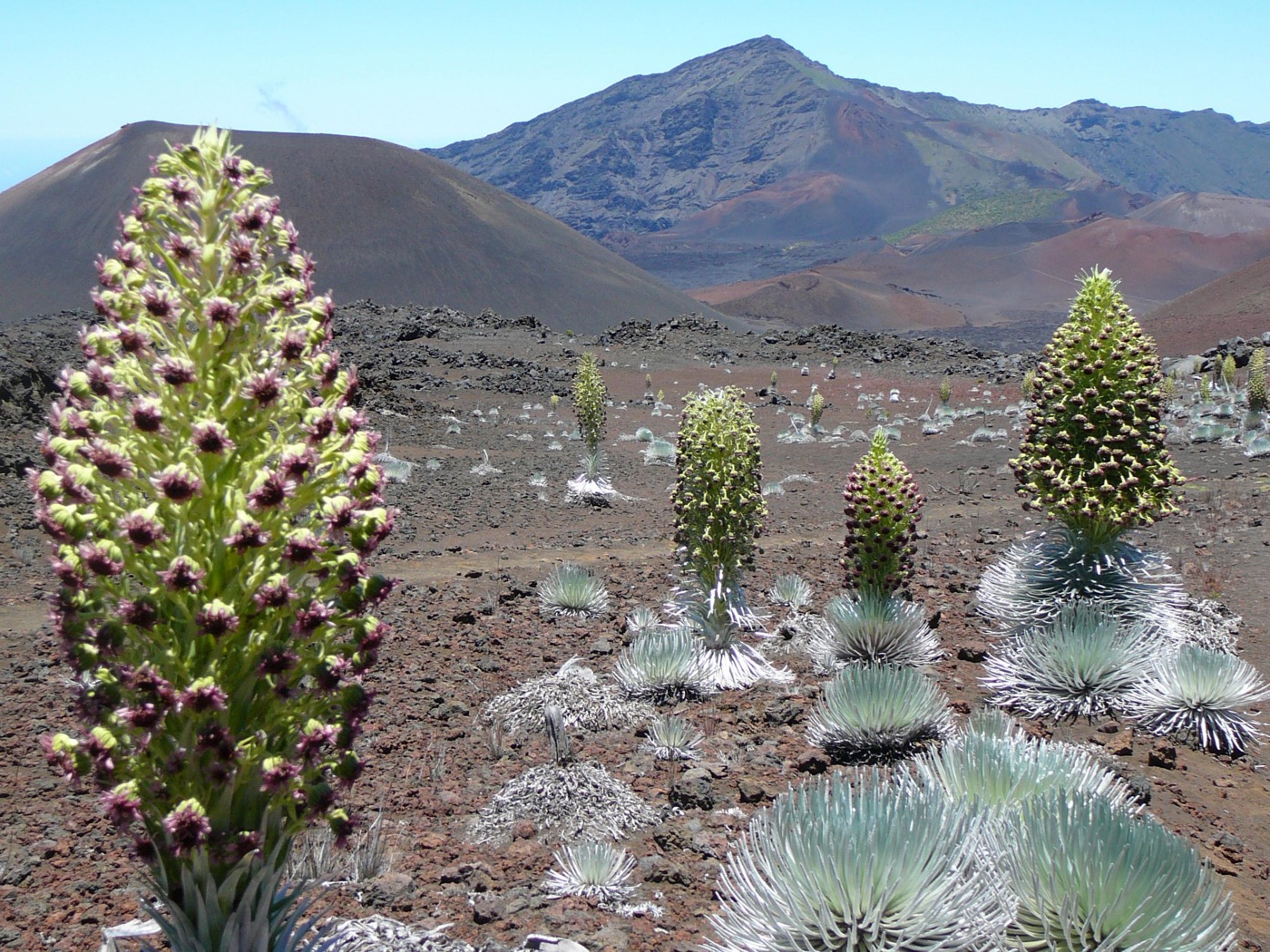
Haleakala isn't one park. It's two, an hour-plus apart, with no road connecting them. Up top you get a 10,023-foot summit, a crater you can actually walk into, and stark volcanic landscapes that feel like another planet. Down on the Kīpahulu coast near Hana you get rainforest, bamboo, and waterfalls. First-timers who plan around that split and the sunrise reservation have a great trip. The ones who don't end up driving a lot of switchbacks for nothing.
When to go (and the cold you're not expecting)
The summit is open 24 hours a day, year-round, and "year-round" is doing a lot of work here. The park itself says daily temperatures can swing from 80°F (27°C) down in Kīpahulu to 30°F (-1°C) at the summit. The rule of thumb: it drops about 3°F for every 1,000 feet you climb. You can leave a Maui beach in shorts and be standing in near-freezing wind two hours later.
- Bring real layers. A warm jacket, long pants, a hat. This is the single most common first-timer mistake, especially at sunrise.
- Expect fast-moving clouds. Weather at the high-elevation summit is genuinely unpredictable. Clouds and rain can replace sunshine in minutes. A socked-in summit is always possible.
- Winter is the rainy season, with a higher chance of fog and afternoon storms in Kīpahulu, though, honestly, afternoon clouds can roll in any time of year.
Getting in: fees, the sunrise reservation, and gas
Entry is $30 per private vehicle, good for three days and covering both the Summit and Kīpahulu Districts, so keep your receipt. It's $25 by motorcycle, or $15 per person on foot or bike (kids 15 and under are free).
The part to plan around: the famous Haleakala sunrise requires a separate timed-entry reservation for any vehicle entering between 3:00 a.m. and 7:00 a.m. It's only $1, but it's the bottleneck. You can book it up to 60 days out, and a small batch opens just 2 days ahead. Set a reminder, because these go fast in peak season. The reservation is for entry; it does not replace your entrance fee.
One more logistics note straight from the park: there are no gas stations inside the park, and no fuel on the long, winding road up. Fill the tank in Kahului or Kula before you climb.
Best first hikes at the summit
If it's your first visit, do the sunrise and then actually get out of the car. The crater is the whole point, and you can sample it without committing to a brutal day.
- Keoneheʻeheʻe (Sliding Sands) Trail: the park's signature crater hike and one of its most popular. Start at the summit and walk a stretch down the windswept cinder slope into the wilderness for unbeatable crater views, then turn around. Easy down, harder back up at 10,000 feet. Go out only as far as your legs and lungs are happy with.
- Halemauʻu Trail: a moderate option to the crater edge, with the scenic overlook making a good shorter turnaround point if you'd rather not descend far.
- Crossing the crater floor: the strenuous, full-day version that links the cinder cones and stark landscapes. Beautiful, but not a first-day, first-timer move unless you're prepared for the altitude and distance.
- Leleiwi Overlook: a short walk to a viewpoint if you want the payoff without a real hike. Good for tired kids or a quick stop.
Altitude is real here. Take it slow, drink water, and don't be surprised if a short uphill stretch leaves you winded.
Don't skip Kīpahulu (the other park)
The coastal Kīpahulu District near Hana is a completely different world, and a completely separate drive, reached from Kahului, not from the summit road. Budget it as its own day.
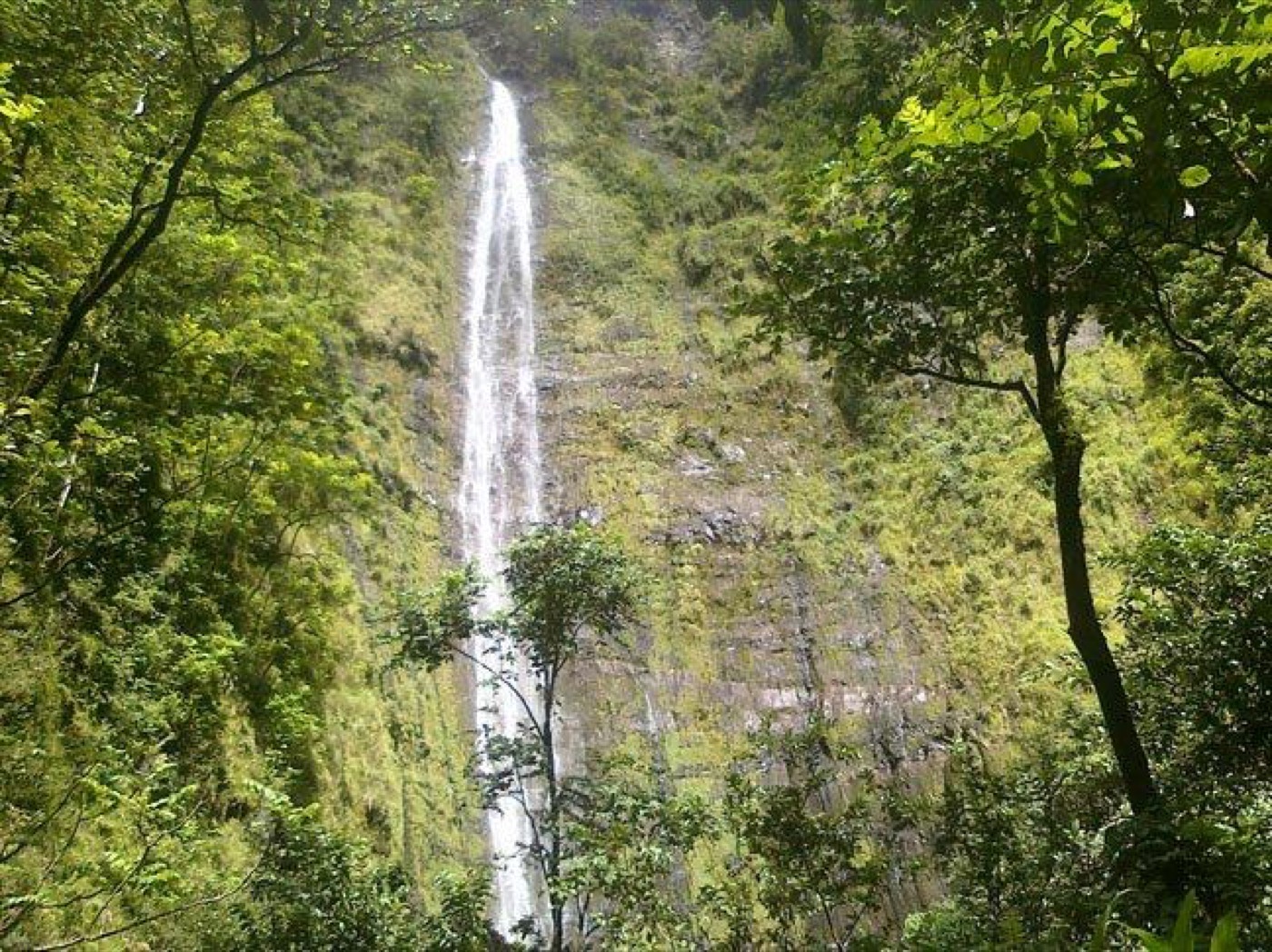
- Pīpīwai Trail: a moderate uphill hike through a surreal bamboo forest, passing Makahiku Falls on the way and ending at the towering Waimoku Falls. The best hike in this district, hands down.
- Pools of ʻOheʻo: the stair-stepped freshwater pools the area is known for. Check conditions and signage before going in; swimming access is weather-dependent and sometimes closed.
Traveling with the family, or the dog
Kids do well here if you pace it. The Junior Ranger program gives them a booklet and a mission, the short Leleiwi and Makahiku Falls walks are doable for little legs, and the bamboo on Pīpīwai is a genuine kid-pleaser. Just respect the altitude up top and dress in layers. A cold, cloud-socked sunrise is a tough sell to a five-year-old.
On dogs, be realistic: like most national parks, Haleakala keeps pets off the trails and out of the wilderness and crater entirely. Dogs are generally limited to paved areas, parking lots, roadside spots, and campgrounds, and must stay leashed. This park protects endangered species found nowhere else, so the rules are taken seriously. If you're hoping to hike with your dog, this isn't the place. Leave them somewhere cool and cared for, not in a hot car.
Planning the real thing? Nestward builds a day-by-day plan for this park in minutes, free, no subscription. See how it works →