 Nestward
A First-Timer's Guide to the Everglades
Florida's slow-moving river of grass, and how to actually see it
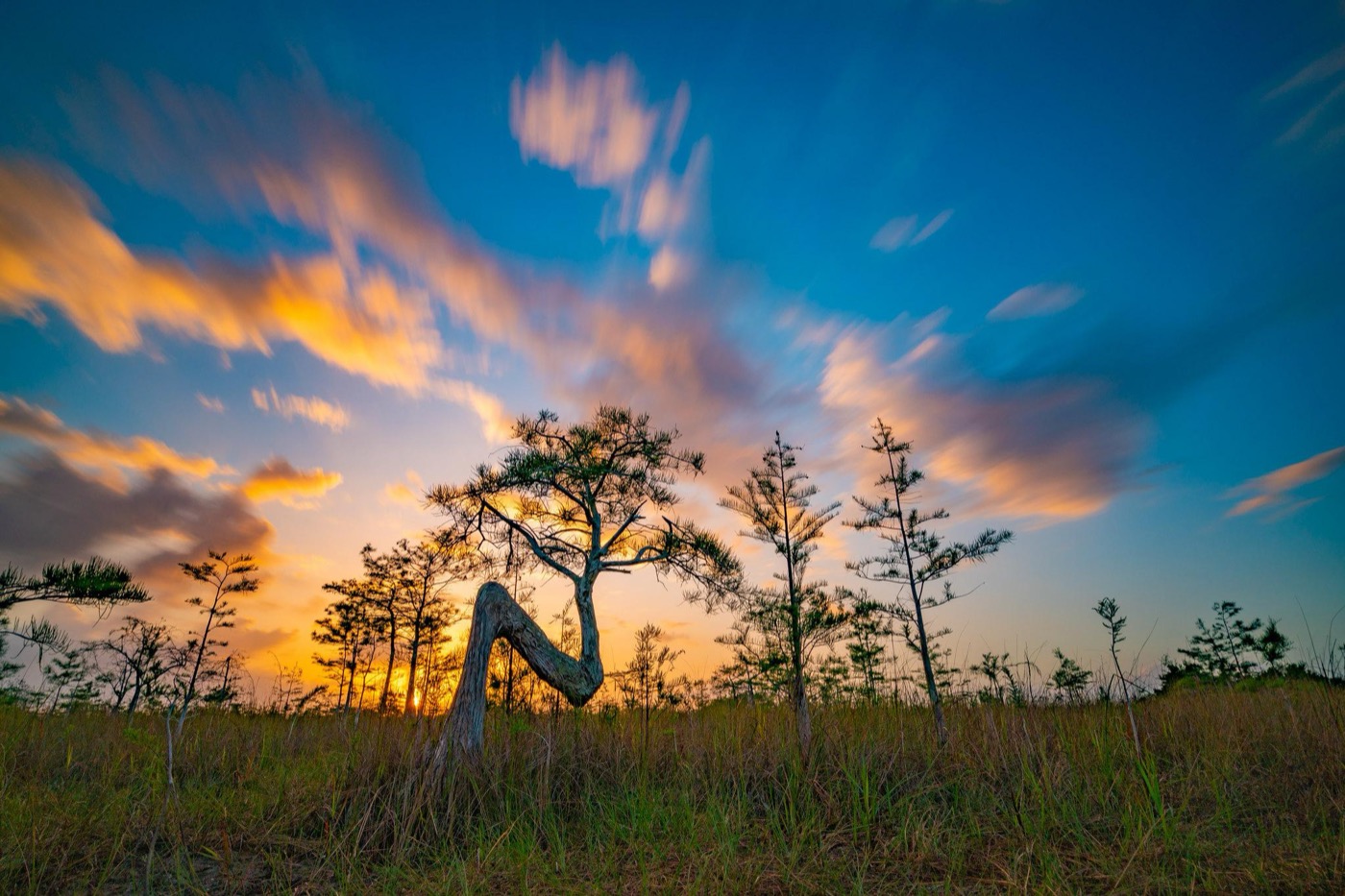
Everglades National Park protects 1.5 million acres of wetland, forest, and marine habitat, the first national park created not for its scenery but for its biodiversity. Set your expectations right: this isn't a place of dramatic peaks. It's flat, wet, and quiet, and the reward is wildlife you won't see anywhere else in the country. Come for the alligators, the wading birds, and the strange beauty of a landscape that's mostly water.
When to go
The Everglades has two seasons, and the difference matters more than at most parks. The dry season runs December to mid-May, and that's when you want to visit. Water levels drop, wildlife concentrates around the remaining ponds and sloughs, and crucially, the mosquitoes are tolerable.
The wet season, mid-May through November, is hot, humid, and famously buggy. Many visitor facilities run reduced hours, afternoon thunderstorms are routine, and the mosquitoes near Flamingo can be genuinely punishing. Average temperatures hover in the mid-70s Fahrenheit year-round, so it's never about the cold. It's about water and insects. If a summer trip is your only option, plan for early mornings and bring serious bug protection.
How to get in
The park is open 24 hours a day, 7 days a week. The main entrance and the Ernest Coe Visitor Center sit at 40001 State Road 9336 near Homestead, about an hour southwest of Miami. From Miami or points north, take the Florida Turnpike south to Florida City, turn right on Palm Drive, and follow the signs.
- Entrance fee: $35 per private vehicle, good for 7 consecutive days at all park entrances. Motorcycles are $30; walk-ins and cyclists $20 (free for kids 15 and under).
- Three entrances, far apart: The main Homestead entrance, Shark Valley off the Tamiami Trail (US-41), and Gulf Coast at Everglades City are not close to each other. Pick one or two per visit. You can't sweep the whole park in a day.
- Staffing: The entrance is always open but staffed only 8:00 a.m. to 4:30 p.m. An America the Beautiful pass covers entry too.
The best first hikes
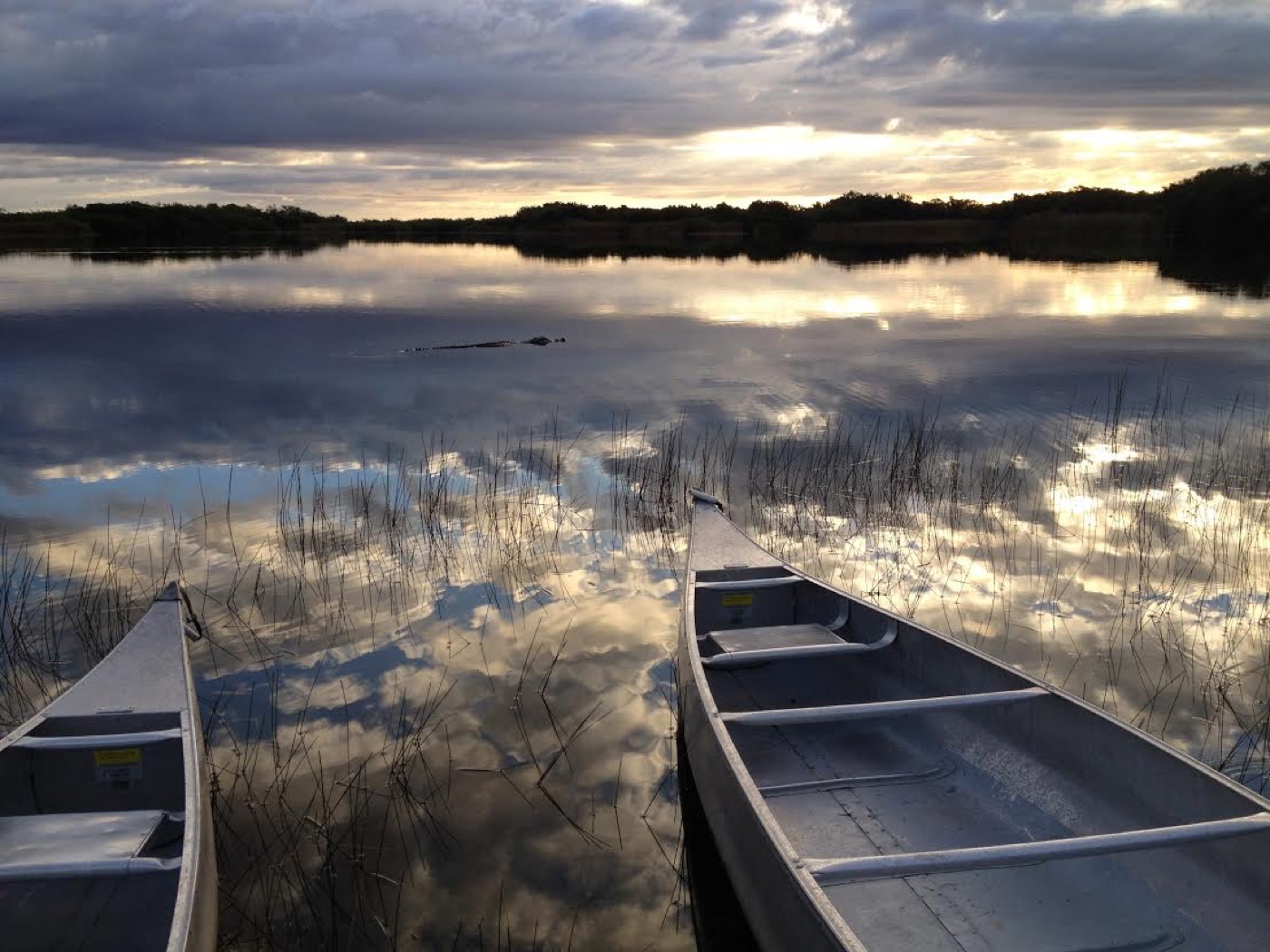
Everglades "hiking" mostly means short, flat boardwalks and paved loops, and for a first visit, that's exactly what you want, because that's where the wildlife is.
- Anhinga Trail: Start here. This short, mostly boardwalk loop near the main entrance is the single best wildlife walk in the park. Alligators, anhingas, herons, turtles, and the occasional purple gallinule are routine, often at close range. Go early or late for the best activity.
- Shark Valley: A 15-mile paved loop you can walk, bike, or ride by tram. Rent a bike or take the Shark Valley Tram Tour out to the observation tower for a wide view over the sawgrass. The road is flat and the gators line the canal alongside it.
- Snake Bight Trail: A longer flat walk through hammock and mangrove out toward Florida Bay, known for its birding. Save this one for the dry season and bring bug spray regardless. The name is about the bay, but the mosquitoes earn it too.
Beyond the walks, the water is the real Everglades. The Ten Thousand Islands Boat Tour out of Everglades City and the Flamingo boat tours get you into mangrove country where manatees and dolphins turn up. Birding at Flamingo, fishing in Florida Bay, and paddling the marsh are all here if you've got more than a day.
Going with kids
The Everglades is a strong family park precisely because the marquee experiences are short and full of payoff. The Anhinga Trail delivers visible alligators in under a mile of flat boardwalk. No whining about the climb, because there isn't one. Pick up a Junior Ranger booklet at a visitor center; kids work through it as you go and get sworn in at the end.
Pace it gently: a couple of boardwalks, a tram or boat tour, and a midday break out of the heat is a full, happy day. Keep little ones close to the rails near the water (these are wild alligators, not exhibits), and pack more water and bug spray than you think you need.
A note on dogs
Be honest with yourself before bringing the dog: the Everglades is not a pet-friendly hiking park. Like most national parks, dogs are restricted to paved roads, parking areas, and campgrounds. They're not allowed on the trails, boardwalks, or in the backcountry, which is most of what you came to see. Add the heat and the resident alligators, and a hot car or a tied-up dog is a bad day for everyone. For this trip, leaving the dog at home is the kinder call.
Planning the real thing? Nestward builds a day-by-day plan for this park in minutes, free, no subscription. See how it works →