 Nestward
The Best Time to Visit Shenandoah
A month-by-month look at crowds, weather, and Skyline Drive, plus the weeks most people skip.
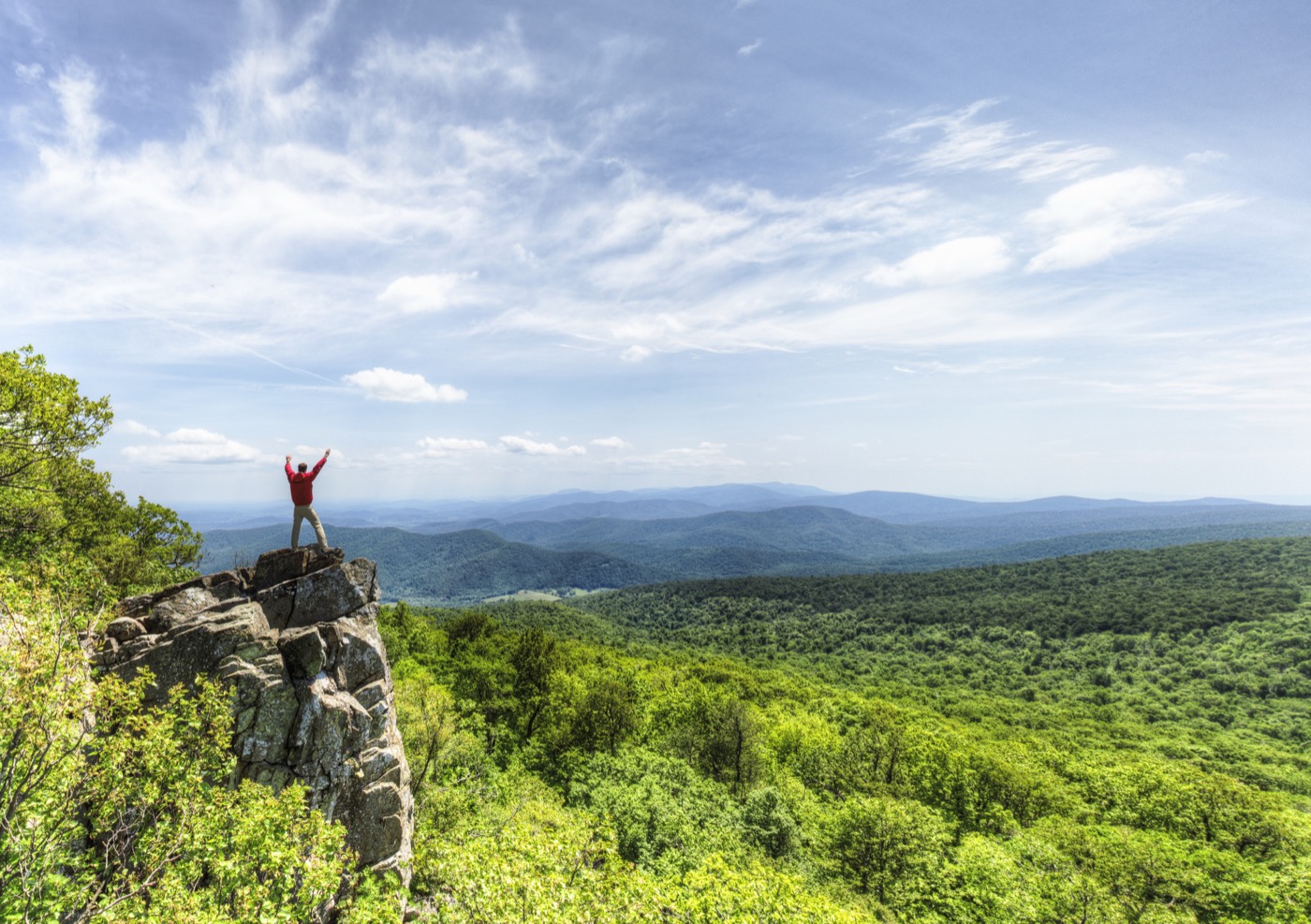
Shenandoah is a long, narrow park (105 miles of Blue Ridge crest, all strung along one road). That shape makes timing simple in one way and tricky in another: there's really only one season everyone wants (fall), and one road everyone uses (Skyline Drive). Get the month right and you get waterfalls, wildflowers, or foliage almost to yourself. Get it wrong and you're idling in a line of brake lights at an overlook.
The short version
The sweet spots are late May through June and mid-September. Wildflowers and full waterfalls in early summer, warm-but-not-yet-mobbed trails in spring, and the quiet shoulder right before the foliage crowds arrive. The park itself is open 24/7 year-round, but Skyline Drive (the only public road through it) closes in pieces during bad weather, mostly in winter. Plan around the road, not the gate.
Spring (March–May): mud, then magic
March and early April are unpredictable. The valley can be balmy while the ridge sits 10°F colder with ice on shaded switchbacks. Sections of Skyline Drive may still close after a late storm. Trails are muddy and the trees are bare.
Then late April and May flip the switch. Wildflowers come up, the waterfall hikes run full and loud: Dark Hollow Falls (the park's most-visited at 70 feet), Rose River Falls, Doyles River Falls, and the Whiteoak Canyon and Cedar Run – Whiteoak Circuit cascades are at their best. Crowds stay light midweek. This is one of the most underrated windows in the park.

Summer (June–August): green, humid, and busy on weekends
Early June is genuinely lovely: lush, long daylight, and manageable crowds. By July and August the forest is thick and green, but so is the air: summer here is hot and humid, with afternoon thunderstorms that build fast over the ridge. The mountain stays cooler than the valley, which is the whole point.
- Weekends fill up. Popular trailheads and the Dark Hollow Falls lot can be full by mid-morning. Go early or go midweek.
- Old Rag needs a ticket. The famous Old Rag Circuit rock scramble requires a day-use ticket booked in advance from March through November. Don't show up assuming you can wing it.
- Other big hikes (Stony Man, Hazel River Falls, Overall Run Falls, and the Riprap – Wildcat Ridge loop) are quieter than Old Rag but reward an early start.
- Waterfalls can run thin by late August in a dry year. Manage expectations.
Fall (September–November): the main event, and the traffic
This is what Shenandoah is famous for, and it earns the reputation. Cooler temperatures, clear air, and foliage that climbs the ridge from high elevations down through October. Peak color usually lands mid-to-late October, but it shifts year to year. Check park updates before committing to a date.
The catch: October weekends on Skyline Drive are the busiest the park gets all year. Overlooks back up, lots fill, and the 105-mile drive that should take a relaxed afternoon can crawl. Two ways to beat it:
- Go midweek. A Tuesday in peak foliage is a different park than a Saturday.
- Aim for mid-September. Warm days, early-turning color at the high overlooks, and a fraction of the crowds. It's the smartest fall compromise.
Winter (December–February): quiet, with caveats
Winter is the trade-off season. You'll have the trails and overlooks nearly to yourself, and the bare forest opens up long views you can't see in summer. But this is when Skyline Drive closes most often. Sections shut down during snow and ice, sometimes for days. That's the only road in. You can always enter on foot to hike even when the road is closed, but you can't drive the scenic route on demand.
Many facilities, campgrounds, and services run reduced hours or close entirely. If you come in winter, treat the drive as a maybe, dress in real layers, and check road status the morning you go.
So when should you go?
If you want it all to yourself with waterfalls running, come May or early June. If foliage is the goal, target mid-September for the crowd-free version or commit to a weekday in mid-to-late October for peak color. Avoid October weekends unless brake lights are part of the experience you're after. Whatever month you pick, check Skyline Drive's status before you drive up. The road, not the calendar, is what decides your day.
Planning the trip? Nestward builds a day-by-day plan in minutes, free, no subscription. See how it works →